
India is reaching an important turning point in how it handles old tires. With more vehicles on the road and many used tires being imported, the country is moving away from old, unorganized disposal methods. Instead, India is shifting toward modern factories that follow strict environmental and safety rules.
In this new system, tyre pyrolysis business has become a trusted industrial solution. It is a smart way to recycle because it turns waste tires into useful products in a clean, controlled way. This process allows businesses to track exactly what they produce, recover energy, and create high-value materials like oil and carbon that can be sold through formal and regulated markets.
Tyre pyrolysis process is a chemical method that works by heating organic waste in a sealed space without any oxygen. Because there is no air, the material doesn’t catch fire; instead, it melts and breaks down into new forms.
This process creates three main products:
- Pyrolysis Oil: A liquid that can be turned into fuel for heating or infra projects.
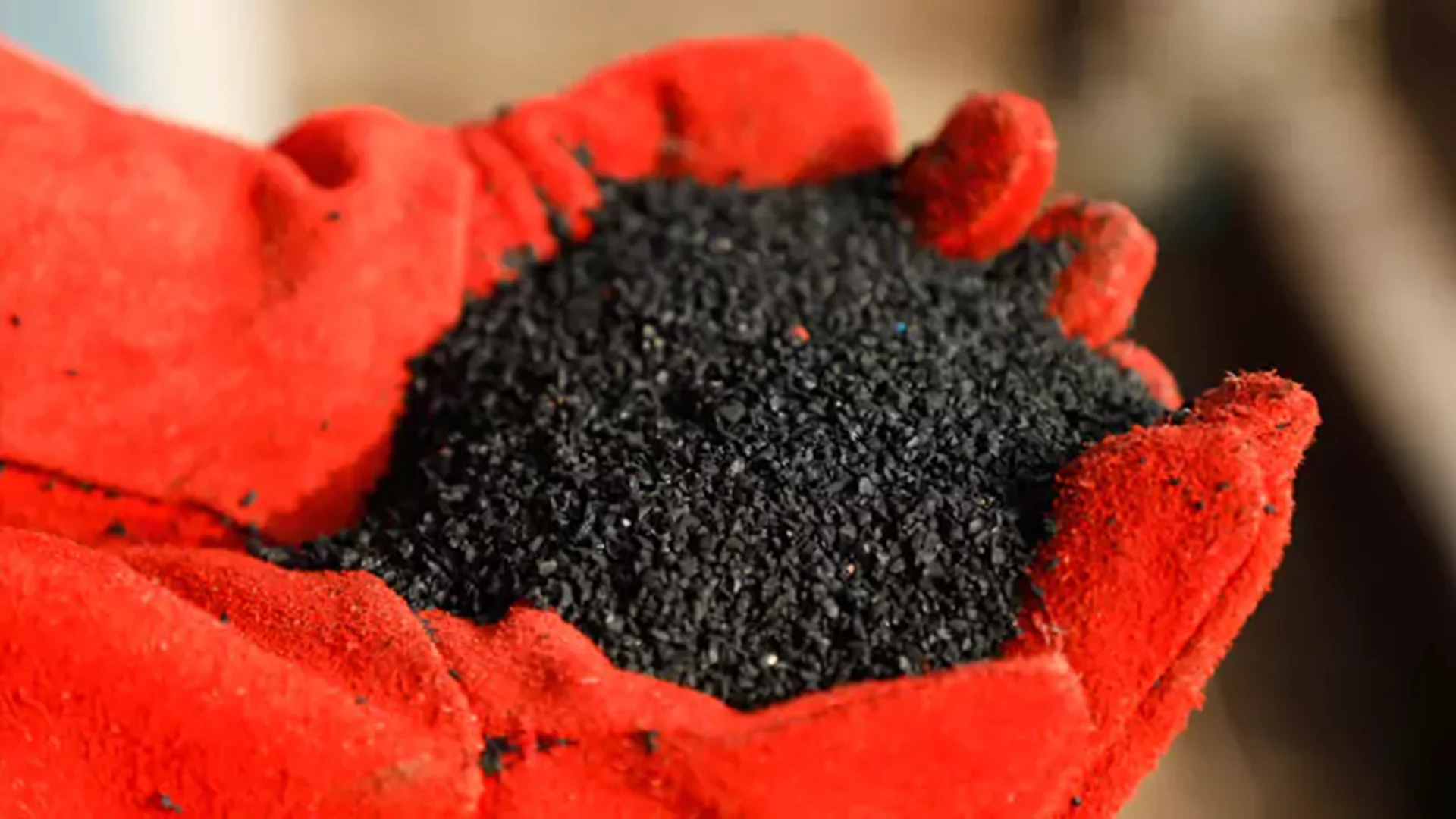
- Carbon Black: A solid powder used to make new tires and rubber items.
- Syngas: A mix of gases primarily hydrogen and carbon monoxide that can be burned to create clean energy.
The quality and amount of material you get from pyrolysis depend on the machine, or “reactor,” you choose. There are two common types used for recycling waste and recovering resources.
Reflecting a massive global shift, the Global tyre pyrolysis products market is estimated at USD 2,434.6 million in 2025 and is projected to reach USD 4,759.2 million by 2033, growing at a steady CAGR of 8.7%. As a primary hub for this expansion, India is becoming a world leader in the sector. The India Tyre Recycling Market alone which includes advanced pyrolysis and material recovery whichis currently valued at approximately USD 2.38 billion and is expected to surpass USD 3.05 billion by 2033.
Before diving deeper, lets first understand how establishing Continuous Tyre Pyrolysis Plant is different from the Batch Pyrolysis Plant.
Continuous Pyrolysis Plant Vs. Batch Pyrolysis Plant
- Continuous Pyrolysis Plants
Permitted under current guidelines (especially for larger capacities).
A continuous pyrolysis reactor is built to run non-stop without pausing operations. Feedstock is constantly put into the machine, and the recycling process happens steadily as the material moves through the system. This design allows for high production volumes and saves a lot of time and energy.
How it Works
- Steady Feeding: Waste is automatically and constantly loaded into the reactor using high-capacity machinery.
- Constant Processing: As the material travels through the system, it is slowly heated. It breaks down into oil, gas, and solids in one smooth, ongoing motion.
- Automatic Collection: The finished products are gathered while the machine is running—oil is drained, gas is captured, and carbon black is removed.
- Non-Stop Running: Unlike batch systems, a continuous pyrolysis reactor does not need to be cooled down or stopped between loads, allowing it to work 24/7.
Advantages of Continuous Pyrolysis Reactors
- Better Efficiency: Because it runs non-stop, the system can process huge amounts of waste, getting more work done in less time.
- Energy Savings: The machine stays hot and doesn’t need to be cooled down and reheated for every load, which saves a lot of power.
- Automation: These systems are mostly automatic, which means you need fewer workers and get more precise results.
Recent developments:
CPCB’s revised SOPs and recent regulatory interpretations make it clear that continuous process plants (often with automation and emission controls) are the preferred and permitted technology, especially for capacities of 60 TPD and above.
After a 13-year ban, Gujarat has officially started allowing continuous tyre pyrolysis plants again, provided they meet specific land and environmental rules. Currently, other states like Uttar Pradesh, Haryana, and Maharashtra have the largest number of these plants running in India.
The National Green Tribunal (NGT) has also recommended that only continuous units should be allowed in the future, advising that old batch units should be upgraded to this newer technology.
- Batch Pyrolysis Plants
Increasingly restricted and discouraged.
A batch pyrolysis plant works in cycles, processing one load of material at a time. After the waste is put inside, the machine is heated to the right temperature to start the recycling process. Once finished, the reactor must be cooled down, emptied, and cleaned before the next load can begin.
How It Works
- Loading: The waste (like rubber, plastic, or biomass) is placed inside the reactor.
- Heating: The reactor is sealed tight and heated to high temperatures (usually 400°C to 500°C) to start the breakdown.
- Decomposition: The material breaks down into three products: pyrolysis oil, carbon black, and gas.
- Cooling and Unloading: After the reaction are over, the system must cool down before the solid carbon black can be removed and the oil and gas collected.
Recent Facts About Illegal Batch Plants
In recent months, the National Green Tribunal (NGT) and CPCB have taken a very strict stand against unorganized recycling. Many old-style batch plants have been found operating illegally, leading to a nationwide cleanup of the industry.
The Key Issues Found:
- Safety Risks: Many illegal plants have caused serious accidents and fires because they lack automated sensors and emergency cooling systems.
- Toxic Pollution: Traditional batch units often leak thick black smoke and poisonous gases. Because they are opened while still hot to remove products, they release harmful particles into the air.
- Illegal Imports: Regulators have caught several plants secretly using imported scrap tires, which is now strictly banned for most basic batch operations.
New Legal Reality (2025–2026)
Immediate Closures: The NGT has ordered the immediate shutdown of any plant that does not meet the new “Advanced” or “Continuous” standards. In states like Maharashtra, Uttar Pradesh and Haryana, hundreds of non-compliant units have already been served closure notices.
Strict SOPs: As of 2025, the CPCB mandates that all plants must have PLC automation (computerized control) and “Zero Liquid Discharge” (no water pollution).
The “60 TPD” Rule: For larger operations (over 60 tons per day), the government now only permits continuous technology. Basic batch plants are no longer allowed at this scale because they cannot control emissions effectively.
FAQs
- What can Fornnax offer participants in the tyre pyrolysis arena?
Fornnax provides the complete front-end system that prepares tyres before pyrolysis — a stage that decides how efficient and safe the process will be.
We supply fully integrated tyre recycling plant that turn ELTs into steel-free rubber chips and granules.
Our main products include:
- SR-Series Primary Shredders: For cutting whole tyres into 50–150 mm strips, with a production capacity of up to 10 TPH.
- R-Series Secondary Shredders: For producing steel-free rubber chips up to 20 mm, with a production capacity of up to 10 TPH.
- TR-Series Granulators: For producing rubber granules that are 99% fibre-free and 100% steel-free, with a production capacity of up to 4 TPH.
- This preparation ensures better heat transfer, less reactor damage, and more stable operation for pyrolysis plants.
- How can Fornnax help improve performance, efficiency, or the value of the end product?
Our shredders produce consistent 20 mm rubber chips, which make the pyrolysis process faster and increase oil yield.
We focus on reliability and uptime — our machines are heavy-duty, easy to maintain, and built for long-term performance.
We also deliver cleaner output by removing steel and textile. That means higher-quality rCB with lower ash content and more value in the market.
Even the output steel is cleaned up to 99% purity, making it directly reusable in the steel industry.
- How does Fornnax view its role in the tyre pyrolysis sector in India, especially after the BBC report on unsafe operations?
Fornnax aims to make India’s tyre recycling and pyrolysis industry clean, safe, and globally respected.
Fornnax provides advanced, compliant technology that supports legal and environmentally responsible operations. Our technology meets international standards and is already accepted in Europe, Australia, and many other countries.
We are closely connected with NITI Aayog, MOEF, and CPCB to help develop better tyre recycling policies so that only responsible and compliant recyclers can operate pyrolysis plants in India.