Over the past decade, the Indian cement industry has made commendable strides in improving energy efficiency and operational productivity. Despite this progress, the adoption of alternative fuels and raw materials (AFR) to replace coal as a primary thermal energy source remains an area where the sector falls short of global standards. A few leading cement plants have achieved Thermal Substitution Rates (TSR) of up to 40% by co-processing a wide range of AFR in their kilns. However, a large number of facilities still operate with considerably lower substitution rates. While most plants have either installed or are in the process of installing co-processing systems, only some are equipped with pre-processing infrastructure, such as shredding, segregation, or contamination removal. Others rely on externally sourced solid AFR, including refuse-derived fuel (RDF), municipal solid waste (MSW), industrial sludge, non-hazardous waste and agricultural residues.
In parallel, the growing urgency to address both climate change and urban waste management has created an opportunity to integrate Refuse Derived Fuels (RDF) into cement manufacturing.
The Crucial Role of Refuse Derived Fuels (RDF) in Cement Kilns
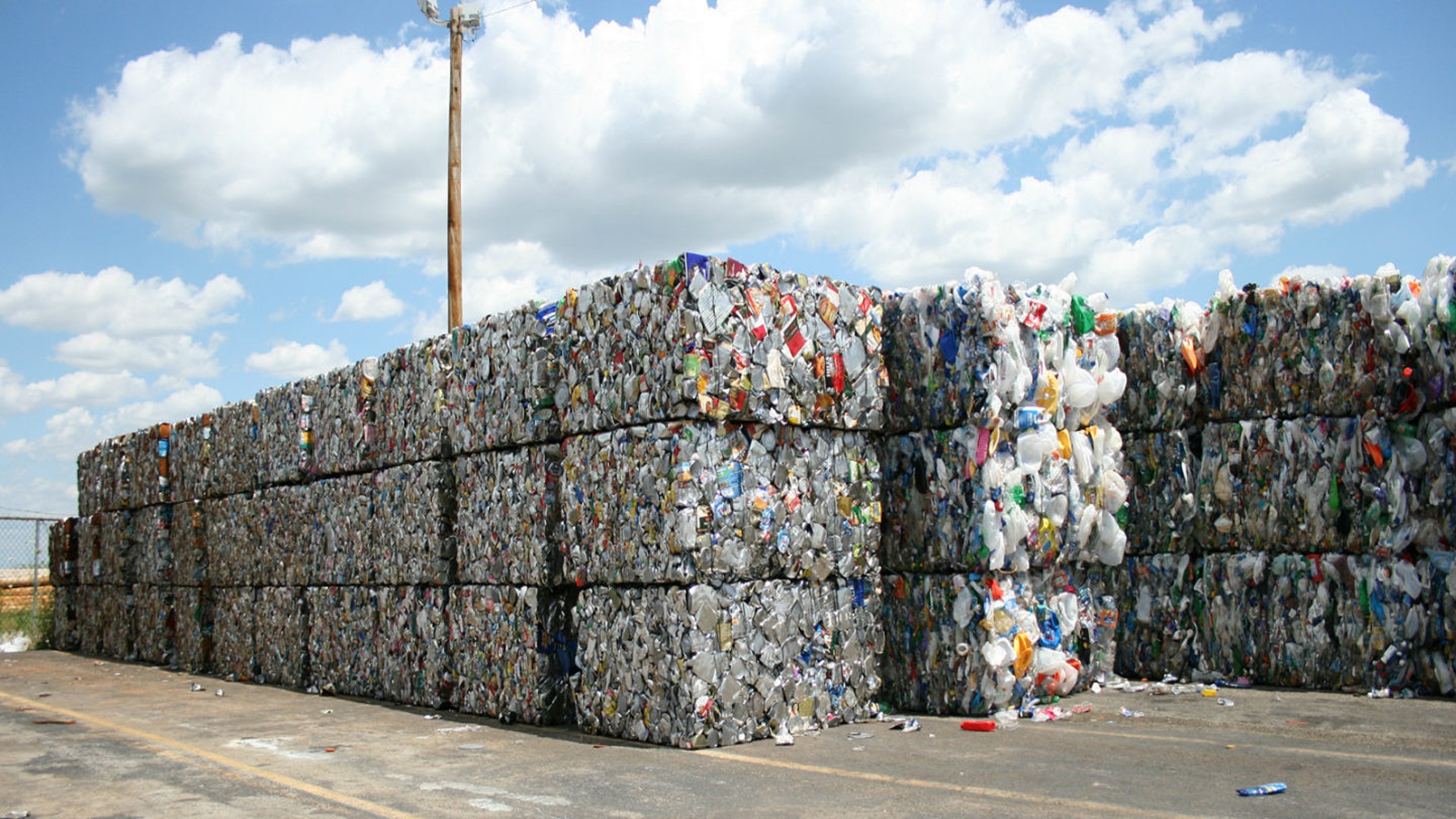
Cement production is among the most carbon-intensive industrial processes, and the sector faces increasing regulatory and societal pressure to reduce its reliance on fossil fuels like coal. At the same time, urban local bodies continue to struggle with the accumulation of non-recyclable waste in landfills. RDF, produced from dry, combustible materials such as soiled paper, soiled cloth, contaminated plastics, multi-layer, packaging materials, other packaging materials, pieces of leather, rubber, tyre, polystyrene (thermocol), wood and other combustible materials.
These materials, which are difficult to recycle and often end up in landfills, creating long- environmental hazards. However, these fractions can be further processed and converted to RDF, which carries significant calorific value for cement kilns and waste-to-energy businesses in line with the principle of waste to wealth.
Regulatory Framework for RDF Integration in Cement Manufacturing
The Solid Waste Management Rules introduced in 2016, and updated in 2024 by the Ministry of Environment, Forest and Climate Change, mandate that non-recyclable waste with calorific value above 3,000 kCal/kg should be converted into RDF and supplied to cement plants. Furthermore, from 2031, cement plants located within a 400-kilometre radius of an RDF facility are required to meet at least 15% of their fuel needs through RDF, aligning with the broader objective of transitioning to low-carbon industrial practices.
Benefits of Using RDF in Cement Industries:
Size Requirements for Efficient Combustion: Cement plants usually require RDF to be shredded to a size less than 50 to 80mm, which is not a significant technological challenge. Particle sizes less than 50 mm typically disintegrate completely within few seconds in the oxygen-rich atmosphere present in a cement kiln. This ensures that the RDF is fully utilized and combusted, maximizing its energy potential.
Fuel Integration into Cement Plant Operations: The installation of an alternative fuel feeding mechanism enables RDF to be fed into the cement kiln without any difficulty. Usually, cement factories build a separate entry point for alternative fuels, which can include a wide range of materials such as pharma waste, FMCG waste, packaging waste, lubricants, and more. The same feeding mechanism can be utilized for RDF plant, allowing for a seamless integration of this alternative fuel into the cement production process.
Performance and Thermal Efficiency: The very high temperatures of approximately 1400°C and a residence time of few seconds in an oxygen-rich atmosphere ensure the complete combustion of RDF without affecting the productivity or quality of the cement. The fuel has a calorific value of around 3000 Kcal/kg, which is sufficient to generate the thermal energy required in the cement production process. This reduces the reliance on non-renewable fossil fuels like coal, contributing to a more sustainable and environmentally friendly production process.
Environmental and Emission Benefits: The use of RDF in cement production replaces fossil fuels with materials that would have otherwise been landfilled, leading to significant emissions reductions. Furthermore, improper landfilling of these materials would have allowed leachate to contaminate groundwater, becoming a major source of pollution. By utilizing RDF, cement plants can minimize their environmental footprint and contribute to a cleaner environment. Additionally, the use of equipment to control stack emissions can lead to a reduction in dioxins and furans emitted into the atmosphere, further enhancing the environmental benefits of RDF utilization.
Sustainable Residual Management: The acidic gases generated during the combustion process are neutralized by the alkaline raw materials in the cement kiln and are incorporated into the cement clinker. The interaction between the raw materials and the flue gases in the clinker ensures that the non-combustible part of the residue is retained in the process and is incorporated into the clinker in an almost irreversible manner. As a result, no additional waste is generated in the process, making RDF utilization a highly efficient and environmentally friendly solution for cement production.
To summarize this, major countries like Australia and Germany have already achieved a TSR rate of around 60 to 80%. The Indian cement industry can easily reach similar benchmarks by integrating the right technologies such as the Fornnax AFR Plant for the Cement Industry. Fornnax’s AFR (RDF/SRF) Plant is specifically engineered for Indian MSW, which is significantly more contaminated compared to that of other countries. Our MSW Shredders are built to be more robust, offer higher capacity, and require less maintenance.
We proudly serve a diverse range of clients across developing and developed markets, including Australia, Serbia, Poland, Bulgaria, and the GCC region, among others. With a strong presence in both Indian and global tyre recycling industries, Fornnax has set a new standard for excellence, delivering high-quality, European-grade equipment backed by exceptional after-sales support and a commitment to customer satisfaction.
By choosing the Fornnax AFR Plant, Indian cement industries can not only achieve their net zero targets but also benefit from carbon credit incentives, creating a dual advantage that is both environmentally and economically rewarding.
Gallery