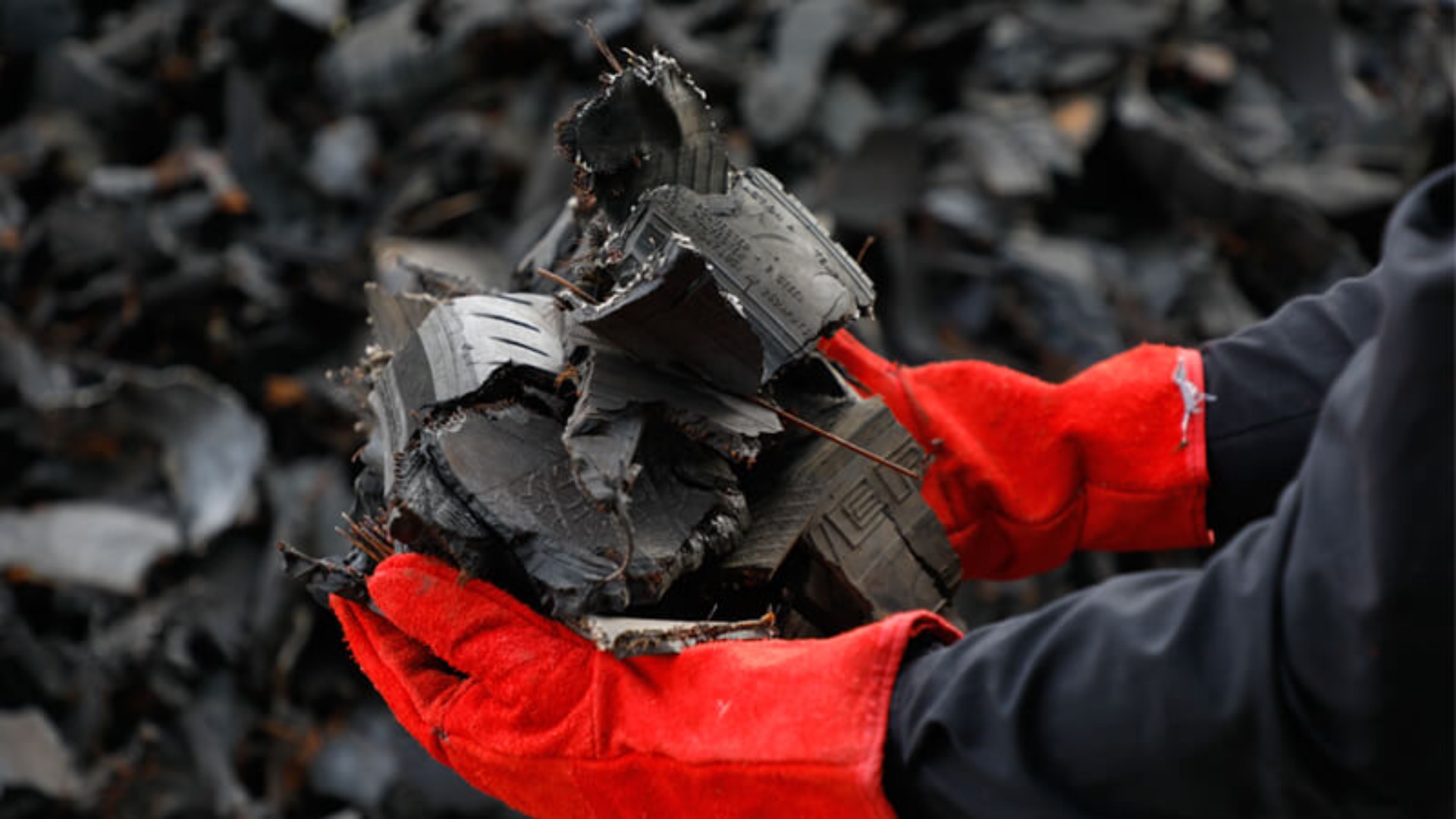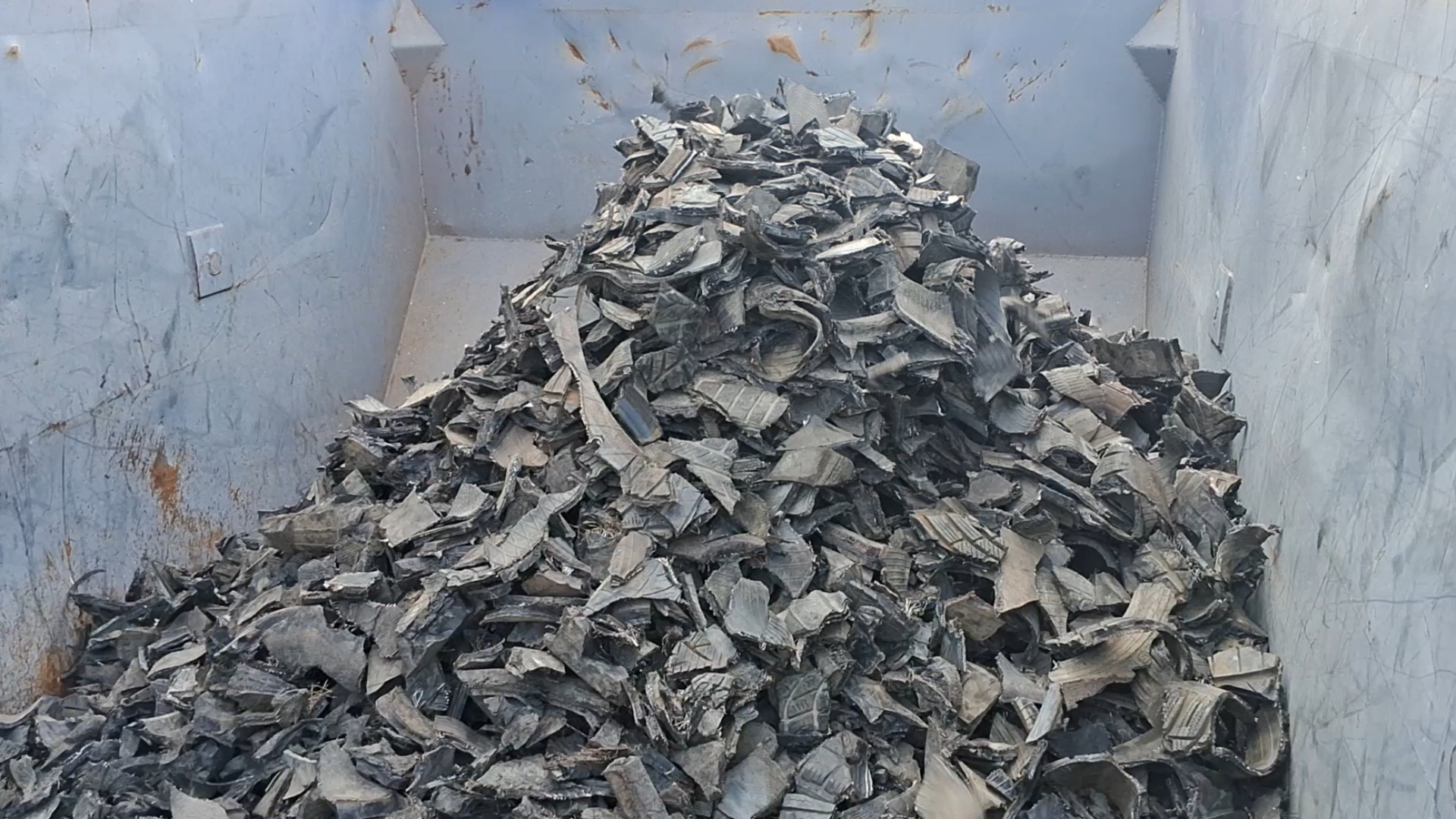
The Sultanate of Oman generates approximately 40,000 to 45,000 tons of used waste tyres every year. These discarded tyres pose significant environmental and health risks if not handled properly. Recognizing the urgency of this issue, the Omani Environment Authority (EA) has taken a groundbreaking step. The EA has suspended issuing licences for exporting used tyres, a decision that is poised to have a profound impact on the country’s waste management landscape. By retaining these tyres within Oman, the EA aims to support local industries, such as cement and other manufacturing sectors, which can utilize recycled tyre materials in their production processes.
Oman’s Bold Move Towards Domestic Recycling and Economic Empowerment
This forward-thinking decision by the Omani government addresses the pressing issue of waste tyre shortages faced by three operational recycling units in Oman. By securing a stable supply of raw materials, these facilities can function optimally, strengthening the national economy and creating valuable job opportunities. Encouraging domestic processing reduces reliance on fresh raw materials while mitigating environmental risks associated with disposal.
Additionally, this crucial decision reinforces the development of a circular economy in Oman, where waste is recognized as a valuable resource rather than a liability.
Growth Opportunities in Tyre Recycling and Its High-Value Byproducts
Oman’s tyre recycling sector has attracted significant investments in recent years, demonstrating the potential for growth and innovation in the industry. A notable example was the $1.3 million project in Salalah Free Zone, which aimed to recycle local tyres and export processed materials. This project showcases the opportunities for tyre recycling businesses and entrepreneurs to capitalize on the growing demand for recycled materials and contribute to the development of a circular economy in Oman.
Some of the major byproducts of scrap tyres include tyre-derived aggregate (TDA) used in various civil engineering applications, Tyre Derived Fuel (TDF) used in cement kilns, silicate industry, paper and pulp mill boilers, power plants, and other industrial boilers. Additionally, rubber mulch can be utilized in landscaping, playgrounds, and civil engineering applications, while also serving as raw materials to produce pyrolysis oil. Furthermore, crumb rubber-modified bitumen (CRMB) can be used in road construction, and rubber granules can be applied in athletic tracks, gym flooring, playgrounds, and more.
Public-Private Partnerships: A Key to Success
Be’ah, the government-owned solid waste management company, has been instrumental in promoting public-private partnerships in tyre recycling. By collaborating with private entities, Be’ah offers opportunities for Small and Medium-sized Enterprises (SMEs) to participate in the supply chain and contribute to the growth of Oman’s circular economy. This partnership model has the potential to drive innovation, create new business opportunities, and promote sustainable waste management practices.
Opportunities for Entrepreneurs
- SME Engagement: The government’s focus on involving SMEs in recycling initiatives presents opportunities for entrepreneurs to enter the tyre recycling industry.
- Access to Funding: Through organizations like Sharakah, SMEs can access funding and support services to establish and grow their recycling businesses.
- Participation in Tenders: Be’ah periodically announces tenders for recycling projects, allowing local companies to propose innovative solutions for tyre recycling.
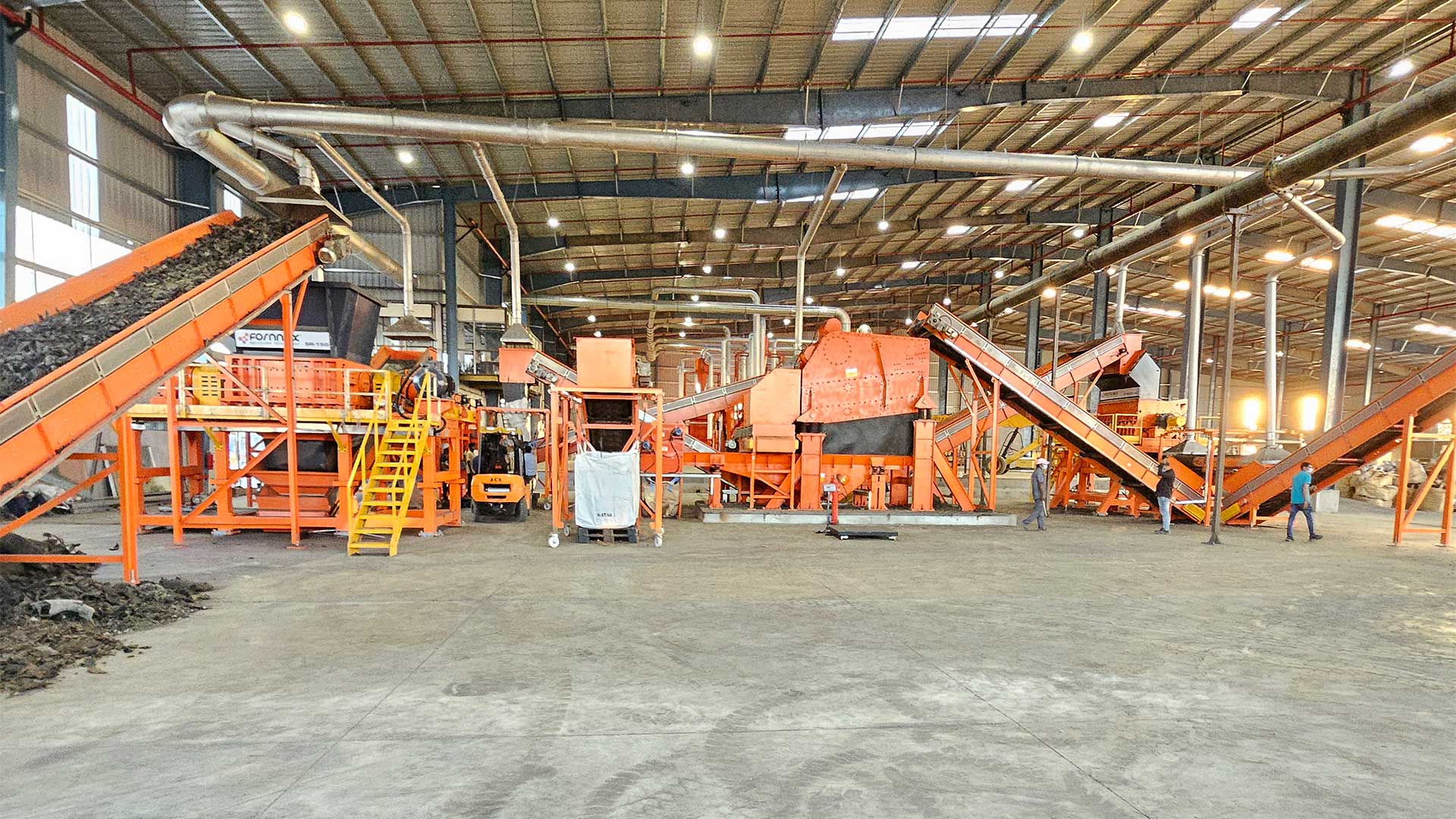
As Oman launches the Net Zero 3 initiative as part of the Sultanate’s commitment to achieving carbon neutrality by 2050, Fornnax is poised to play a pivotal role in advancing sustainable waste management solutions, leveraging its over decade of expertise in tyre recycling to support Oman’s transition towards a circular economy and reduced carbon footprint. Fornnax’s heavy duty recycling machine for tyres has surpassed industry benchmarks in terms of efficiency, reliability, operational capacity, and competitive pricing.
Fornnax’s international grade tyre recycling plant has been recognized for its excellence and revolutionary engineering, notably winning the Best Tyre Recycling Industry Supplier Award at the Recircle Awards, one of the most prestigious accolades in the global recycling industry.
If you are looking for a trusted partner in Oman for your tyre recycling equipment needs, Fornnax offers industry-leading solutions tailored to maximize resource recovery and minimize environmental impact. Connect with us today to explore cutting-edge recycling technology designed to propel your operations toward a greener future.
Gallery