
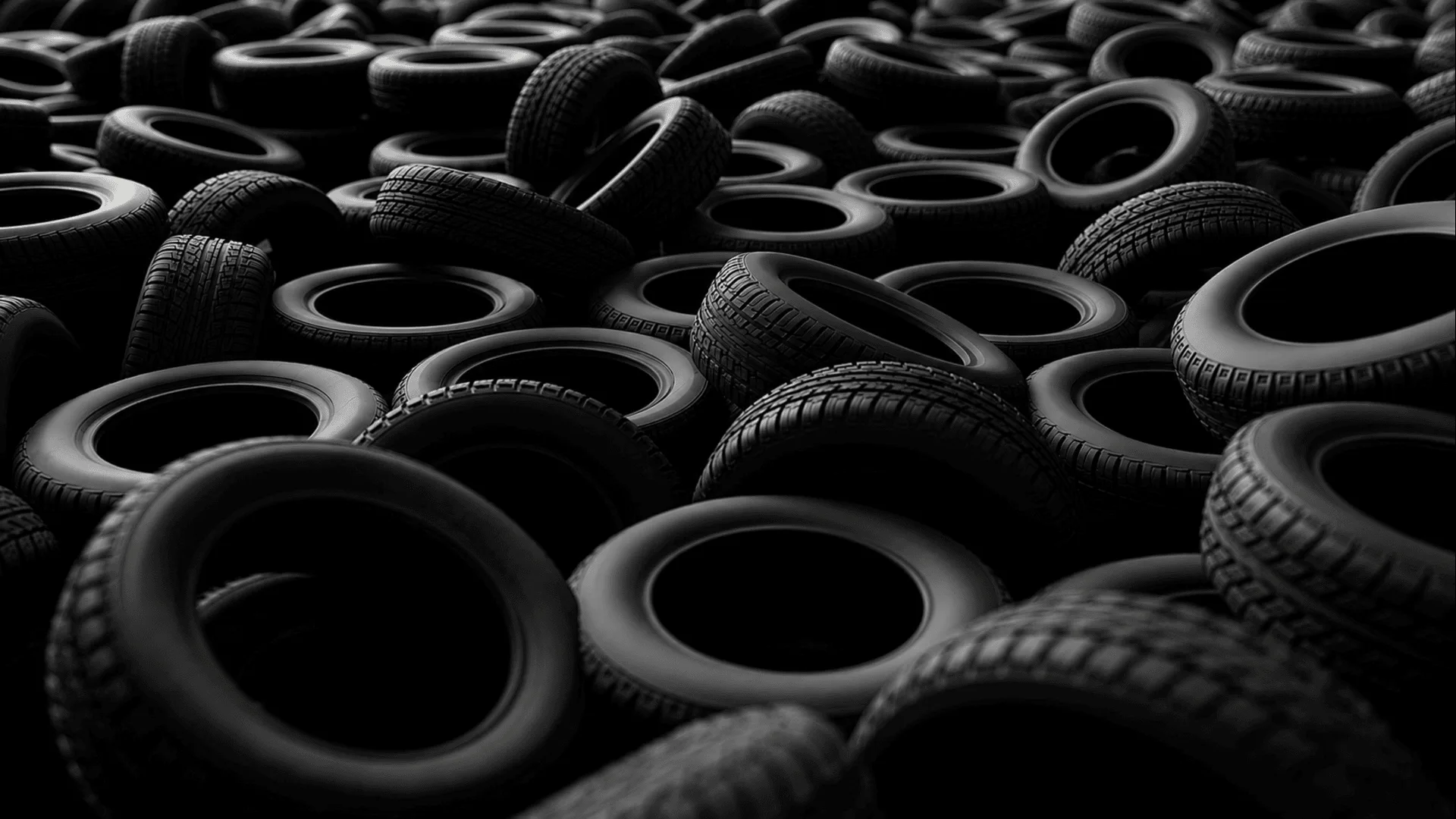
India’s tyre recycling industry is evolving rapidly, driven by stronger environmental regulations and the growing need for sustainable waste management. Every year, millions of tyres reach the end of their service life, creating significant challenges if they are not collected, processed, and recycled responsibly. To address this, the Government of India introduced a comprehensive regulatory framework under the Hazardous and Other Wastes (Management and Transboundary Movement) Amendment Rules, 2022, bringing End-of-Life Tyres (ELTs) under the Extended Producer Responsibility (EPR) regime.
These regulations not only define how waste tyres should be managed within India but also establish clear rules for their import and export. For tyre recyclers, equipment manufacturers, and businesses involved in the circular economy, understanding these regulations is essential for ensuring compliance and supporting responsible recycling.
Understanding India’s EPR Framework for Waste Tyres
Extended Producer Responsibility (EPR) places the responsibility of environmentally sound management of tyres on producers until the end of their lifecycle. Under the current rules, producers, recyclers, and retreaders must register on the Central Pollution Control Board’s (CPCB) centralized Waste Tyre EPR Portal before conducting business. Entities operating in multiple categories must obtain separate registrations for each category.
The framework creates a transparent digital ecosystem where waste tyre generation, recycling, and compliance can be monitored. Producers fulfil their EPR obligations by purchasing EPR certificates generated only by registered recyclers, ensuring that tyre waste enters authorized recycling channels.
Import Regulations for End-of-Life Tyres
India permits the import of waste tyres under regulated conditions, but strict compliance requirements apply.
According to the 2022 amendment rules, any entity importing waste tyres is classified as Producer (P6) and must register on the CPCB Waste Tyre EPR Portal. If the importer also operates a recycling facility, each recycling unit must be registered separately as a recycler. This dual registration ensures complete traceability of imported waste tyres throughout the recycling process.
Waste tyre importers are also required to fulfil 100% of their Extended Producer Responsibility obligation based on the quantity of waste tyres imported during the previous financial year. They can meet this obligation only by purchasing valid EPR certificates from registered recyclers. Producers are also required to submit periodic returns through the CPCB portal, allowing regulators to monitor compliance effectively.
One of the most significant provisions in the regulations concerns the purpose of imported ELTs. India prohibits the import of waste tyres for producing pyrolysis oil or char. This restriction encourages environmentally sound recycling practices and discourages imports intended solely for low-value recovery processes. Instead, the regulations promote material recovery pathways that generate higher-value recycled products and support a circular economy.
Export Regulations for Tyres
The EPR framework also provides clarity on tyre exports.
The regulations specify that Extended Producer Responsibility obligations do not apply to tyres exported by producers. Since these tyres are sold outside India and reach their end of life in another country, they fall outside India’s domestic waste management system. Consequently, exported tyres are excluded when calculating a producer’s EPR obligations.
However, tyres manufactured or imported for sale within India remain fully subject to EPR requirements. Producers must calculate their obligations based only on tyres placed in the domestic market and ensure compliance through the purchase of valid EPR certificates from registered recyclers.
Recycling Pathways Recognized Under Indian Regulations
The regulations recognize several environmentally sound recycling outputs for end-of-life tyres. Registered recyclers can process waste tyres into:
- Reclaimed rubber
- Crumb rubber
- Crumb Rubber Modified Bitumen (CRMB)
- Recovered Carbon Black (rCB)
- Pyrolysis oil or char (generated from domestically available waste tyres, not imported ELTs)
Each recycled product carries a conversion factor and weightage determined by the CPCB, which are used to generate EPR certificates. This standardized approach ensures consistency in recycling performance and creates an incentive for quality material recovery.
Why These Regulations Matter to the Recycling Industry
The import and export regulations are more than compliance requirements—they are designed to strengthen India’s formal tyre recycling process ecosystem.
By regulating imported waste tyres, mandating digital registration, and restricting imports for pyrolysis oil or char production, the government promotes responsible recycling while reducing environmental risks associated with improper waste handling. At the same time, exempting exported tyres from domestic EPR obligations provides clarity for manufacturers engaged in international trade.
These measures also encourage investment in advanced recycling technologies capable of recovering valuable resources such as crumb rubber, reclaimed rubber, and recovered carbon black. Modern shredding systems play a critical role in this process by producing consistent tyre chips and rubber feedstock that support efficient downstream recycling operations.
Building a Sustainable Circular Economy
India’s regulatory framework reflects a clear shift from waste disposal to resource recovery. The combination of EPR obligations, controlled imports, transparent digital monitoring, and recognized recycling pathways creates a more accountable and sustainable tyre recycling ecosystem.
For recyclers, tyre manufacturers, and technology providers, staying aligned with these regulations is essential—not only for regulatory compliance but also for supporting India’s transition toward a circular economy where end-of-life tyres become valuable raw materials rather than environmental liabilities.