
With India’s booming infrastructure projects, expanding cities, and rapidly growing manufacturing sector, the demand for metal is at an all-time high. And when you look at the numbers, India alone consumes over 160 million tonnes of finished steel annually, ranking as the world’s second-largest consumer (Source: Ministry of Steel, Government of India).
But producing new metal from raw ore consumes a massive amount of energy and harms our environment. This is where ferrous metal recycling comes in. Recycling steel and iron saves natural resources, reduces carbon emissions, and provides a steady, cost-effective raw material supply for secondary steel mills.
If you are thinking about entering this industry, understanding the operational roadmap, financial requirements, and technological backbone is essential.
This guide breaks down everything you need to know about setting up a ferrous metal recycling plant in India.
Why is Ferrous Metal Recycling Becoming More Important in India?
India is one of the largest producers and consumers of steel in the world. However, a significant portion of our steel demand is still met through virgin mining or imported scrap. As the government pushes toward sustainable development and net-zero targets, relying solely on raw mining is no longer practical or eco-friendly.
Ferrous recycling helps bridge this gap. Scrap metal can be melted and reshaped infinitely without losing its inherent properties. Using recycled scrap drastically cuts down greenhouse gas emissions and saves electricity compared to making steel from iron ore. Furthermore, India’s vehicle scrappage policy and strict environmental frameworks are formalizing the unorganized scrap sector, creating massive opportunities for organized, tech-driven recycling businesses.
What Does a Ferrous Metal Recycling Plant Actually Do?
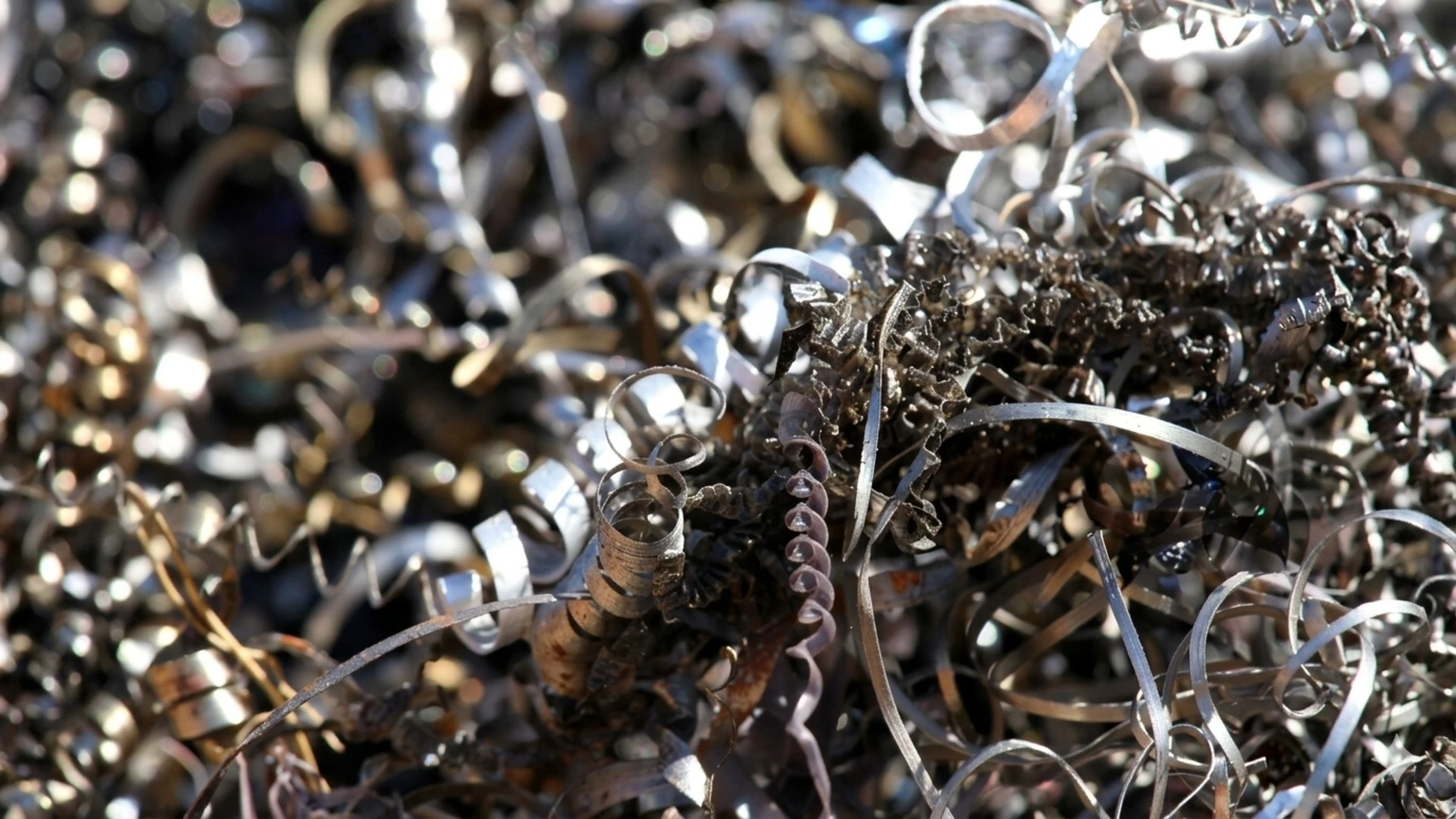
Many people think recycling is just about collecting old metal and throwing it into a furnace. In reality, a modern metal recycling plant is a sophisticated processing facility. Raw scrap which is ranging from old cars to heavy construction beams arrives in all shapes, sizes, and contamination levels.
To make this scrap usable for induction furnaces or electric arc furnaces (EAF), it must go through a strict processing lifecycle:
- Collection and Sorting: Scrap is separated into ferrous and non-ferrous metals. Hazardous materials, plastics, and non-metallic attachments are removed.
- Size Reduction (The Critical Phase): Raw scrap is bulky, tangled, and irregular. Steel mills cannot accept oversized pieces because they jam furnaces and melt unevenly. Therefore, heavy-duty industrial shredding and shearing technology are deployed to break down bulky items into uniform, dense pieces. Effective size reduction increases the bulk density of the scrap, improves melting efficiency in the furnace, and exposes hidden impurities so they can be cleaned out.
- Purification and Magnetism: Powerful overbelt magnets separate ferrous metals from remaining debris, ensuring clean, high-grade scrap ready for commercial use.
Common Types of Ferrous Metals & Recyclable Items
Before setting up your plant, it helps to know what materials you will be processing. Ferrous metals contain iron, making them magnetic and prone to rust if unprotected.
Common Types of Ferrous Metals
- Carbon Steel: Used extensively in construction and manufacturing due to its high strength.
- Stainless Steel: Contains chromium for rust resistance, often found in kitchen sinks and industrial equipment.
- Cast Iron: Heavy and brittle, used for engine blocks, pipes, and cookware.
- Wrought Iron: Durable and malleable, historically used for fencing and gates.
- Alloy Steel: Mixed with elements like nickel or manganese for added durability.
Common Recyclable Items
- Vehicles and Car Parts: Old car bodies, motor blocks, rotors, and frames.
- Large Appliances: Refrigerators, washing machines, dryers, and stoves (white goods).
- Construction Scraps: Steel beams, rebar, girders, and metal siding.
- Railroad Scrap: Old tracks and railcars.
How Much Does It Cost?
Setting up a ferrous recycling plant requires smart financial planning. The cost depends on the size of your operation, whether it’s a small manual dismantling yard or a large and high-capacity shredding and processing plant.
Small-Scale Scrap Yard (Manual/Semi-Automated): A basic facility focused on scrap collection, sorting, dismantling, and manual cutting generally requires lower capital investment. This usually covers land lease, basic material handlers, torches, and working capital.
Medium to Large-Scale Automated Plant: A high-capacity facility designed to process ELVs, heavy industrial scrap, and other bulky ferrous materials requires significantly greater investment. Capital expenditure can include heavy-duty shredders or shears, conveyors, magnetic separation systems, material-handling equipment, balers, sorting systems, electrical infrastructure, civil works, and other supporting systems. The overall investment will depend on the desired throughput, degree of automation, plant configuration, and site infrastructure.
Note: Working capital is a major component here. Since recyclers typically purchase scrap before processing and selling the recovered material, sufficient working capital is essential to maintain a consistent supply of feedstock and ensure uninterrupted plant operations.
What Regulatory Compliances Are Required?
Because metal recycling involves heavy machinery, potential soil contamination, and hazardous vehicle fluids (in the case of ELVs), Indian authorities enforce strict environmental and operational guidelines. To operate legally, your plant will need:
- Consent to Establish (CTE) and Consent to Operate (CTO): Obtained from your respective State Pollution Control Board (SPCB).
- Authorization under Hazardous Waste Management Rules: Essential for handling automotive fluids, batteries, and oily scrap safely.
- Registered Vehicle Scrappage Facility (RVSF) Certification: If your plant intends to process old vehicles under India’s vehicle scrappage policy guidelines.
- Factory License and Local Municipal Clearances: To ensure zoning compliance for industrial activities.
- GST Registration and Import/Export Licenses: Necessary if you plan to import shredded or unshredded scrap from international markets.
Are Government Subsidies Available?
The Indian government actively promotes the circular economy and green manufacturing. While direct cash subsidies for purchasing recycling machinery can vary by state industrial policy, several central and state-level incentives exist:
- MSME Schemes: Capital subsidies and collateral-free credit schemes (like CGTMSE) are often available for micro, small, and medium enterprises setting up manufacturing and recycling units.
- State Industrial Policies: Many states offer GST reimbursement, electricity tariff concessions, and stamp duty exemptions for greenfield projects, especially those focused on waste management and environmental sustainability.
- Vehicle Scrappage Incentives: Facilities registered under official vehicle scrapping frameworks may receive priority industrial land allotments and tax benefits.
What About ROI (Return on Investment)?
The return on investment in the ferrous recycling sector depends on raw material sourcing efficiency, processing speed, and output quality.
- The Margin Drivers: Unprocessed scrap is cheap, but it requires energy and labour to sort and size. High-density, clean, and uniformly shredded scrap commands a significant premium from secondary steel mills because it melts faster and saves furnace energy.
- Payback Period: For a well-optimized, mid-to-large-scale plant with reliable scrap inflow and efficient shredding technology, the payback period typically ranges between 3 to 5 years. As India’s steel production shifts increasingly toward electric arc furnaces and induction furnaces, the demand for clean, processed scrap will only push profit margins higher.
Next 10 Years Outlook of the Ferrous Metal Recycling Market
The next decade will completely transform India’s recycling landscape. Driven by tightening carbon emission norms, mandatory vehicle scrappages rules, and a national push toward resource efficiency, the unorganized scrap market is rapidly fading out.
Automated, high-capacity processing plants will become the industry standard. Recyclers who invest in robust size-reduction infrastructure today will secure a massive competitive advantage, ensuring a steady supply of high-grade raw materials to fuel India’s steel manufacturing boom sustainably.