
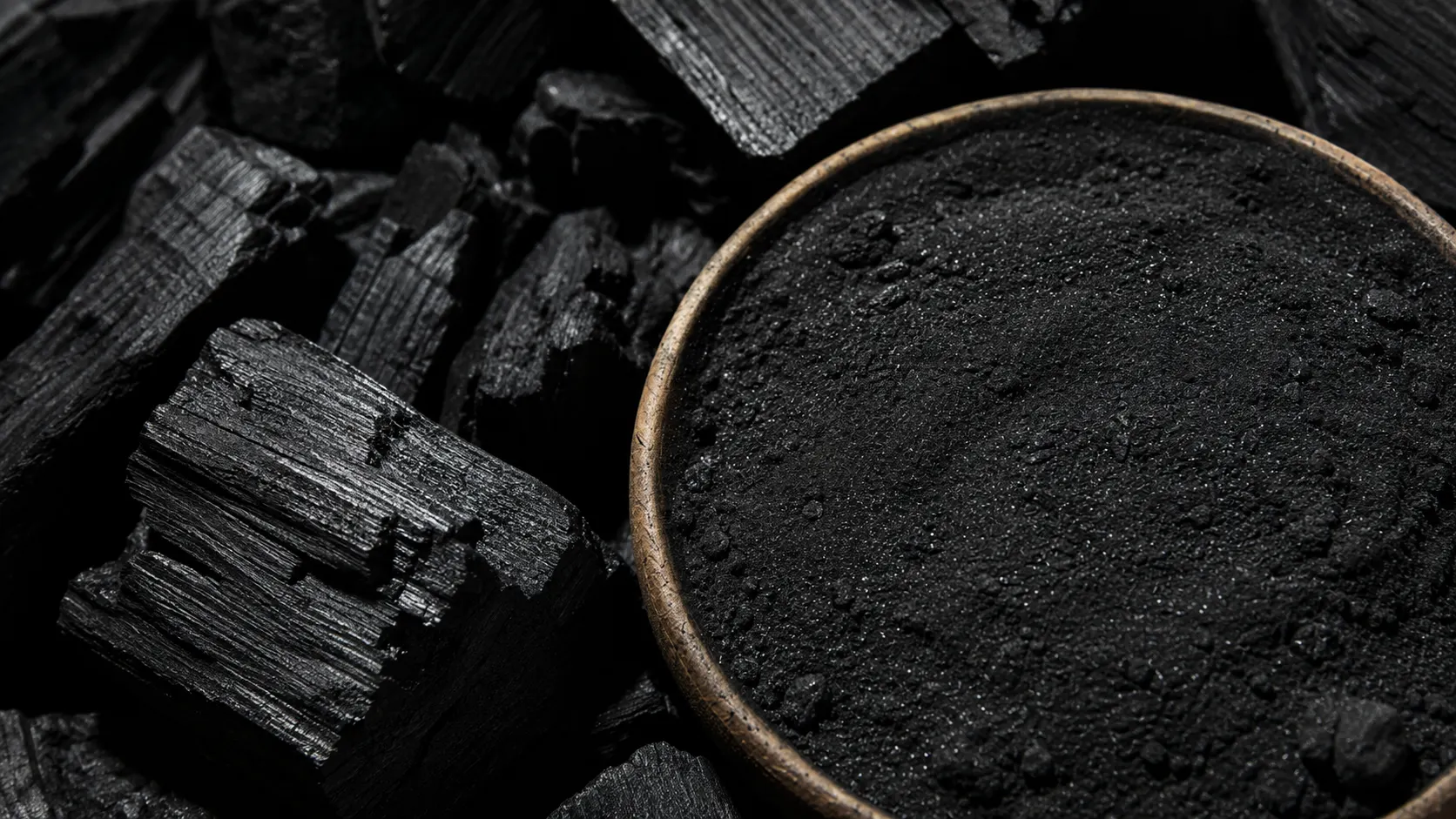
The United States discards approximately 250 million scrap tires every year, which amounts to roughly seven tires every second. For decades, most of these tires ended up in landfills or stockpiles. Today, however, that waste has turned into a valuable supply chain opportunity: recovered carbon black (rCB).
If you run a tire recycling operation in the United States, you are likely asking some critical questions: How big is the market opportunity for recovered carbon black? What factors determine the quality and value of the rCB you produce? And how does tire shredding influence yield, consistency, and overall profitability?
The US rCB Market Is Growing Fast
North America currently holds the largest regional share of the global rCB market at roughly 39 percent, and the United States leads within that region. The US rCB market was valued at approximately $300 to $350 million in 2024, and projections from multiple research firms point toward it crossing $1 billion by 2035, growing at a steady compound annual growth rate.
Three forces are driving this growth:
- Sustainability mandates from manufacturers: Tire companies and rubber product manufacturers face real pressure to reduce their carbon footprint. Recovered carbon black produces significantly lower carbon emissions compared to virgin carbon black. Brands are actively seeking verified, certified rCB to meet circular economy goals.
- A cost advantage over virgin carbon black: While pricing fluctuates based on global supply chains, rCB typically offers a consistent cost advantage over virgin material. This provides significant savings for high-volume rubber compounders looking to stabilize their raw material costs.
- Tires dominate end-use demand: The tire segment accounts for the majority of rCB applications. Furthermore, non-tire rubber, coatings, plastics, and inks are opening up as additional markets. Increased industry investment in new facilities throughout the United States is a clear signal of where the market is heading.
What Every US Tire Recycler Needs to Know About rCB Yield
For instance, a typical passenger car tire yields about 30 to 45 percent rCB by weight during the pyrolysis process, alongside pyrolysis oil, steel wire, and gas. That rCB becomes your most valuable solid output, but only if the quality remains consistent.
Most recyclers lose money because they do not realize that the quality of the rCB is determined before the material ever enters the pyrolysis reactor. The two biggest quality factors are:
- Feedstock consistency: This refers to the types of tires you feed into the system and how uniformly they are mixed.
- Particle size: This refers to how finely and uniformly you shred the tires before they undergo pyrolysis.
Why High-Capacity Shredding Is Not Optional
Many recyclers treat shredding as a basic, commodity step, but it is not. It is the single most critical upstream variable in your rCB output quality.
Scientific research shows that the pyrolysis of tire shreds at a uniform particle size is essential for maximum yield and quality. When particle sizes are inconsistent, the pyrolysis process becomes uneven because some chunks over-process while others under-process. The result is variable ash content and inconsistent surface area, which leads to rCB that misses commercial grade specifications. Buyers require rCB that can compete with standard grades of virgin carbon black; off-spec material often sells at a steep discount or does not sell at all.
High-capacity shredding solves three major problems at once:
- Throughput bottlenecks: Your pyrolysis reactor can only run as fast as your shredder feeds it. A low-capacity shredder creates a production ceiling that limits your daily output and revenue.
- Inconsistent particle size: Low-quality or under-powered shredders produce a wide range of chip sizes. High-capacity shredders with precision cutting systems deliver a tighter size distribution, which allows your reactor to function more predictably.
- Steel wire contamination: Tires contain steel belts. If your shredder does not effectively liberate and separate that steel before the reactor, the inorganic content ends up in your rCB as ash, which significantly reduces its market value.
What to Look for in a High-Capacity Shredder
If you are evaluating equipment for a tire recycling line, focus on these factors:
- Throughput capacity: Ensure it matches or exceeds your reactor’s feed requirement.
- Consistent output: Look for machines that produce a uniform particle size with minimal fines.
- Durability: Prioritize low downtime and high blade life, as maintenance is the leading cause of line stoppages.
- Steel liberation: The shredder should work effectively to separate steel before the magnetic separation stage.
- Energy efficiency: Because shredding is energy-intensive, machines with efficient motors reduce your operating cost per tonne.
The Bottom Line for US Tire Recyclers
The US rCB market is growing and is increasingly valued by major manufacturers. The United States possesses the infrastructure and feedstock to support this growth, but what separates profitable producers from struggling ones is process discipline and that discipline starts at the initial stage of the tire recycling process, which is investing in high-capacity primary shredding technology. This provides your pyrolysis line with the consistent feedstock it needs to produce high-quality rCB that meets commercial specifications and commands premium pricing.
As tire recycling and rCB production continue to evolve, selecting the right shredding technology will be critical to long-term success.