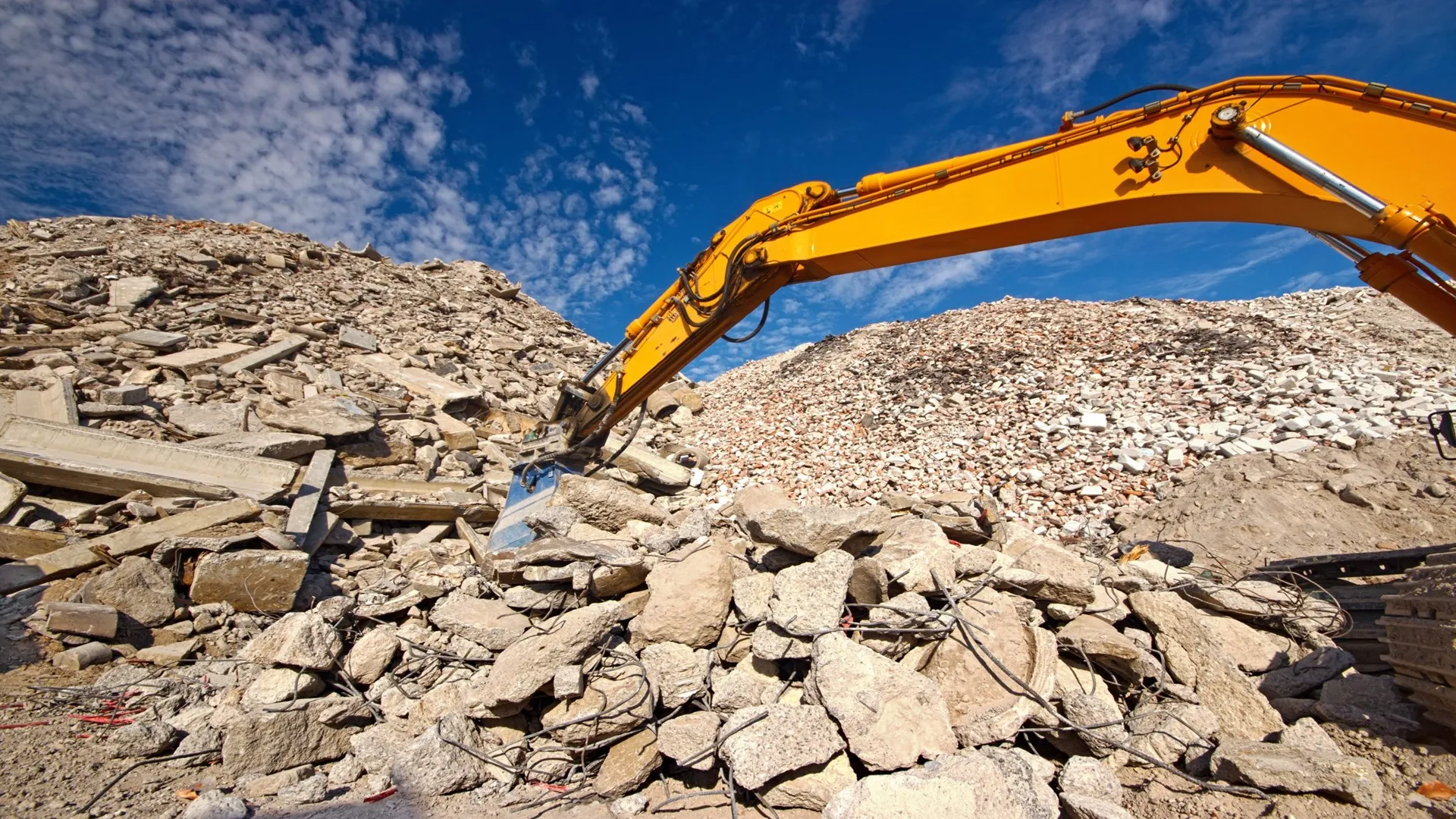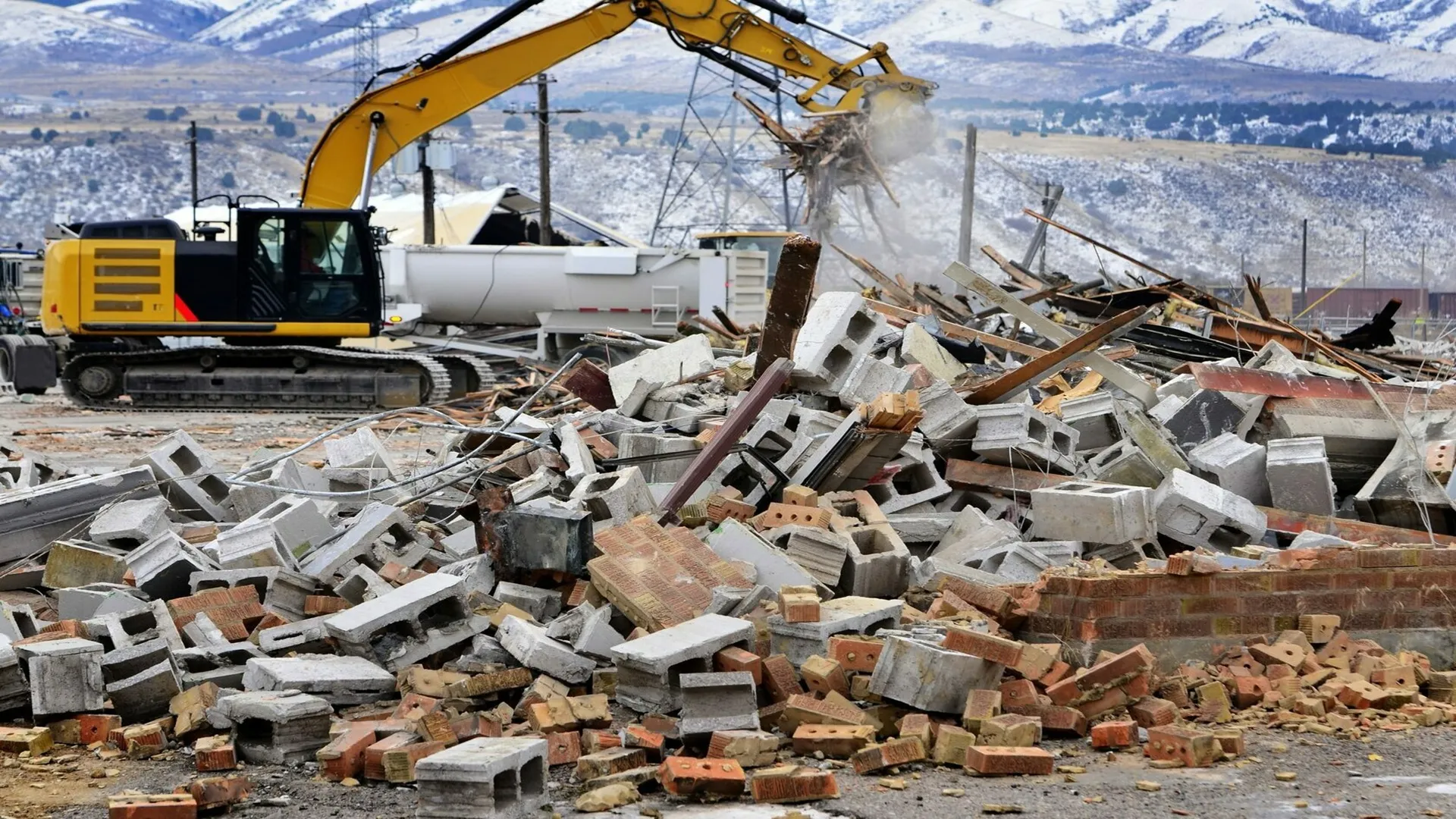
C&D waste has become an inevitable outcome of India’s rapidly expanding built environment.
C&D waste is generated during construction, renovation, and demolition activities associated with buildings, roads, and large infrastructure projects. This waste stream contains a dense mix of materials including wood, brick, clay tiles, asphalt shingles, drywall, plastics, carpet, cardboard, concrete, and steel. When processed effectively, many of these materials retain strong potential for recycling and reuse.
In 2024, India’s C&D waste recycling market reached a value of USD 245.40 billion. Projections from IMARC Group indicate that the market will expand to USD 362.90 billion by 2033, growing at a compound annual growth rate of 4.00 percent between 2025 and 2033. This growth is supported by continuous urbanisation, increased infrastructure development, stricter waste management regulations, rising environmental responsibility, and the adoption of sustainable construction practices. Technological progress in recycling systems, policy incentives supporting circular economy models, and the expanding role of public and private partnerships in waste management infrastructure further reinforce the market outlook. Despite these positive trends, India currently recycles only about 2 percent of its total construction and demolition waste, revealing a substantial gap between opportunity and execution.
Value Recovery Opportunities from Construction and Demolition Waste
C&D waste offers multiple pathways for value recovery across construction and industrial sectors. Recyclers process concrete waste into aggregates for new concrete applications. Gypsum waste is recovered and reused for manufacturing new drywall. Wood waste accounts for nearly 40 percent of total C&D waste and is commonly utilised as alternative fuel in waste to energy facilities, cement kilns, and paper manufacturing units. Recycled asphalt pavement supports the production of durable and high-performance road surfaces while reducing dependence on virgin bitumen. Crushed concrete and masonry waste are converted into coarse and fine aggregates for ready mix concrete, mortar, and other construction materials. In addition, recovered soil, sand, and gravel are reprocessed for embankments, land development, and general backfilling, enabling material reuse within infrastructure projects.
Technology as a Critical Enabler
To fully capitalize the economic and environmental potential of C&D waste recycling, recyclers and entrepreneurs must invest in reliable and efficient recycling equipment. Pre shredding technology plays a crucial role at the initial stage of processing by reducing oversized and mixed waste into uniform and manageable fractions. This process improves downstream operational efficiency, enhances material recovery rates, extends equipment life, and ensures consistent output quality.
Regulatory Landscape and Policy Momentum
India’s C&D waste recycling sector is governed primarily by the C&D waste Management Rules, 2016, notified by the Ministry of Environment, Forest and Climate Change. These rules mandate source segregation of construction and demolition waste, assign clear responsibilities to waste generators, and require urban local bodies to establish authorised collection, storage, transportation, and recycling systems. Large waste generators are obligated to manage their waste responsibly and ensure delivery to approved processing facilities rather than landfills.
Several state governments and municipal authorities have operationalised these rules by allocating land for recycling facilities, issuing by laws for C&D waste collection, and mandating the use of recycled aggregates in public construction projects. Cities such as Delhi, Ahmedabad, and Pune have introduced tender clauses that encourage or require the use of recycled construction materials in road works and non-structural applications, creating steady downstream demand for processed outputs.
Looking ahead, India’s C&D waste challenge represents one of its largest untapped resource opportunities. And we believe recyclers and entrepreneurs who act early will help transition the sector from fragmented waste handling to organised industrial resource recovery.
Gallery