As we all know, the tyre recycling business is a capital-intensive venture that also requires strict adherence to legal and environmental compliances. At the same time, the industry is witnessing remarkable global growth projected to reach USD 8.92 billion by 2029, up from USD 7.44 billion in 2024 driven by increasing volumes of end-of-life tyres (ELTs), tighter environmental regulations, and rising demand for sustainable materials (Source: MarketsandMarkets).
At the core of any tyre recycling operation lies the shredding process, which plays a pivotal role in downsizing scrap tyres for further material recovery. However, with numerous manufacturers offering a wide range of shredding technologies, choosing the right shredder can be challenging, particularly for new entrepreneurs entering the sector.
This is why it becomes essential to understand a few fundamental considerations before investing. Each of these choices not only shapes the technical performance of your plant but also directly affects your material recovery rates, operational efficiency, and long-term return on investment (ROI). Ultimately, selecting the right shredder is not just a machinery decision, it is a strategic financial choice that determines how much valuable steel, rubber, and textile you can recover, how efficiently you can process ELTs, and how competitively your plant can operate in the long run.
These key factors include:
1. Type and Size of Input Material
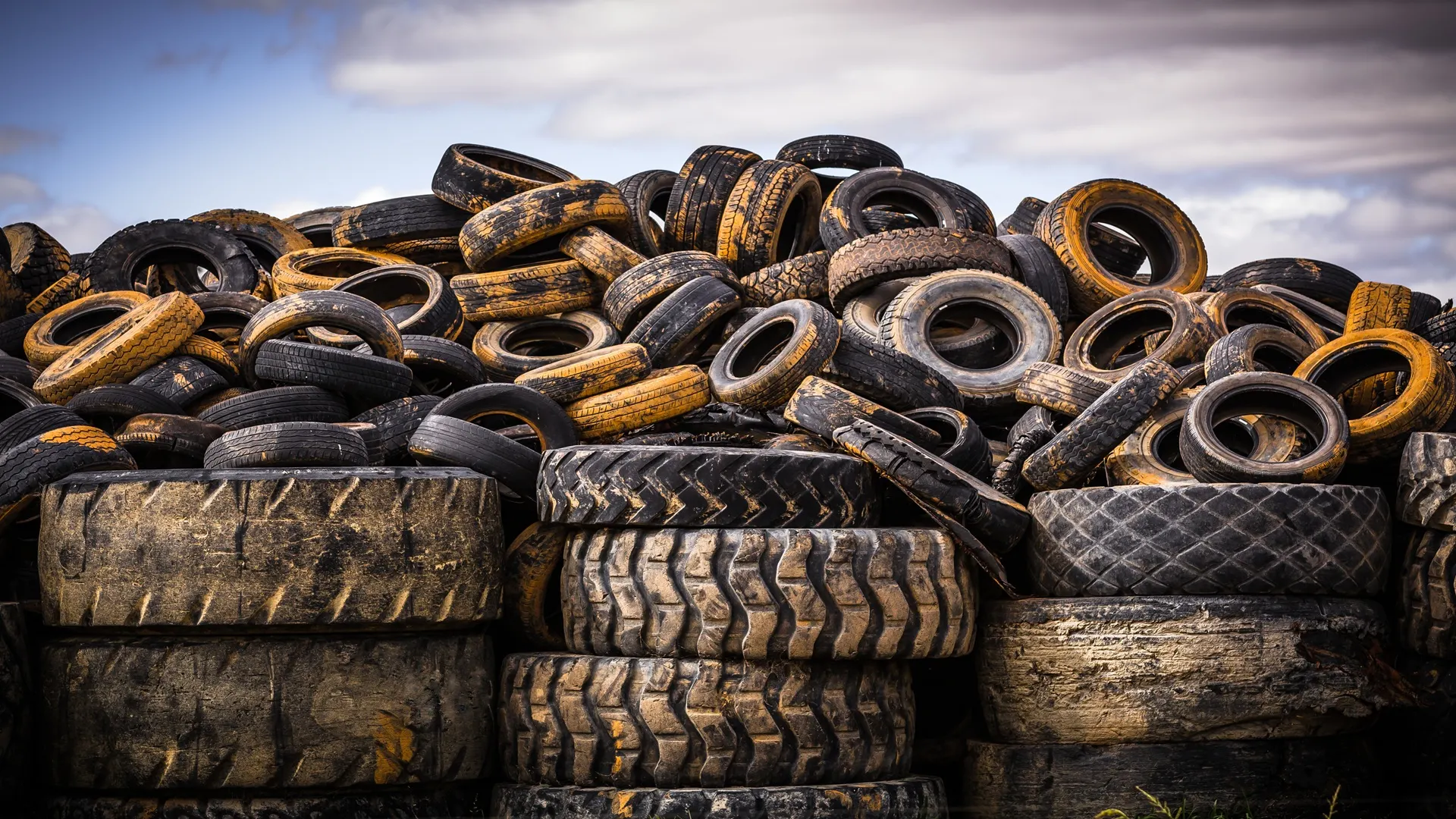
Not all tyres are created equal. Passenger car tyres, truck tyres, and OTR (off-the-road) tyres differ in diameter, thickness, and internal composition. Some contain heavy bead wires or steel belts, while others may be contaminated with mud, stones, or even rims. Your shredder must be robust enough to handle the specific types of scrap you plan to process. Choosing the wrong machine can lead to frequent breakdowns and reduced efficiency.
2. Desired Output Specifications
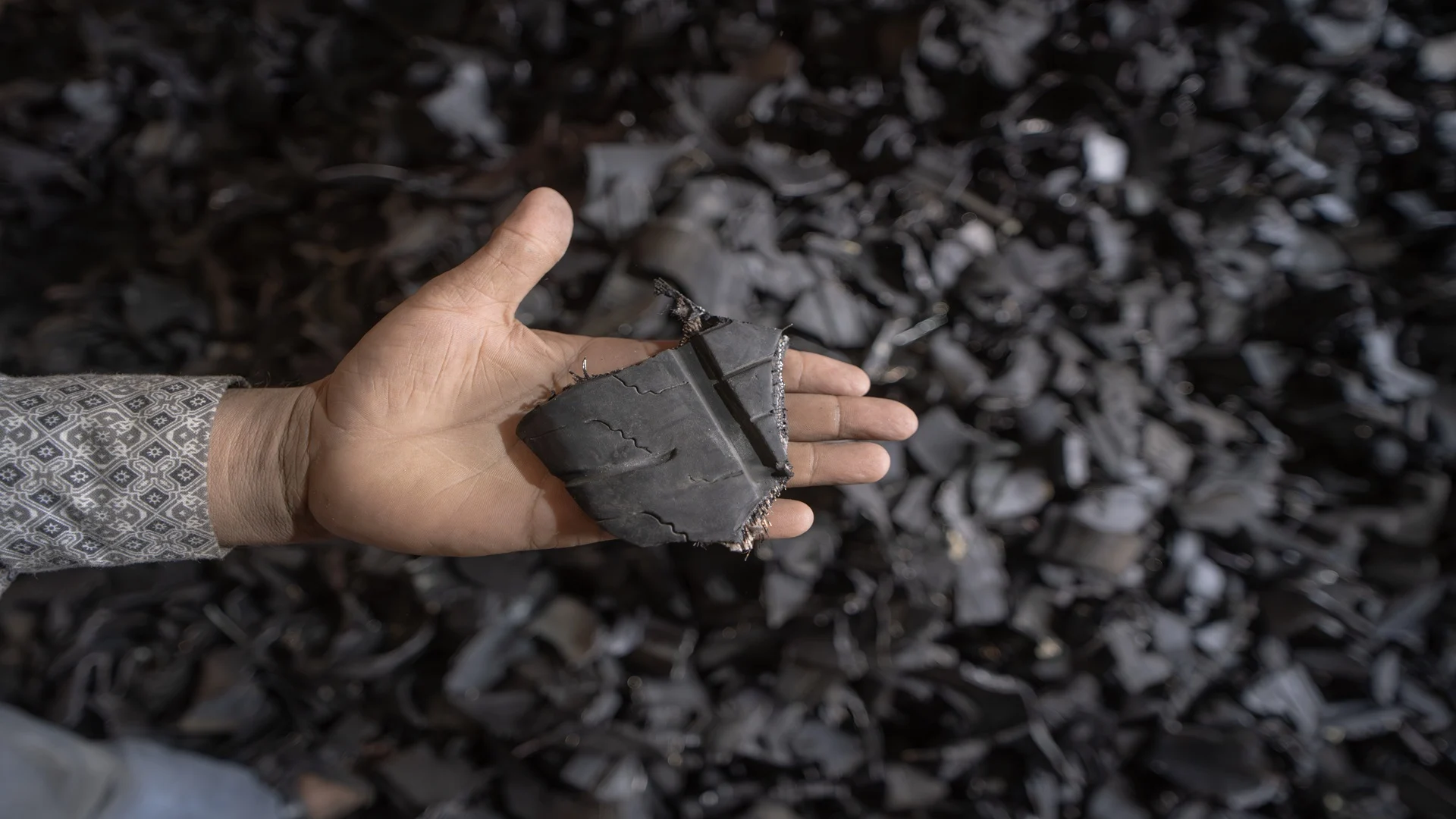
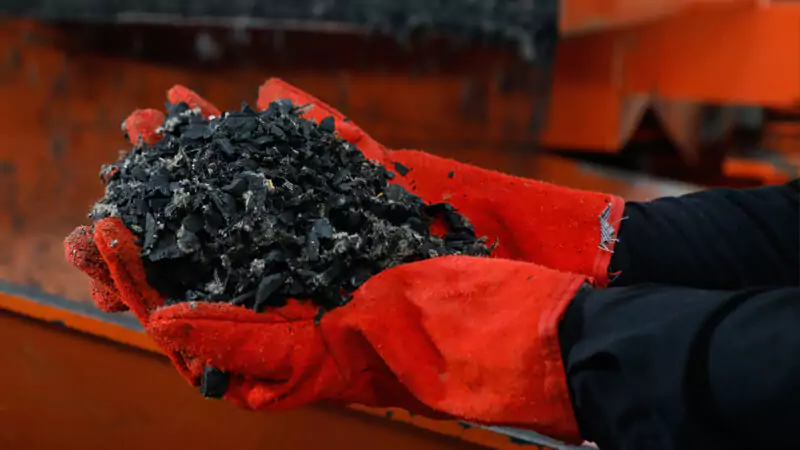
The type of end product you aim to produce such as coarse tyre shreds, steel-free chips / rubber mulch, or granules determines the recycling plant’s configuration. Primary shredders handle whole tyres, producing rough chips, while secondary shredders refine these into uniform chips. Granulators take the process further by liberating textiles and producing fine rubber granules. Each stage requires different equipment and precision levels. Defining your output goals ensures you invest in the right combination of shredders and granulators for optimal efficiency.
3. Capacity and Throughput Requirements
Your daily or hourly processing needs decide the shredder’s size, motor capacity, and feeding method. Factors like tons per hour (TPH), manual or conveyor-fed systems, and downtime tolerance are crucial considerations. A smaller shredder may struggle to keep up with production targets, while an oversized one wastes energy and space. Matching throughput with business scale ensures consistent performance. It also helps avoid operational bottlenecks and maximizes return on investment.
4. Technology and Cutting Mechanism
Tyre shredders come in different configurations like Primary & Secondary Shredder or granulators, each serving specific shredding needs. The balance of torque and RPM determines efficiency and cutting precision, while blade design and material impact durability. Maintenance ease, especially for blade replacement, should also be considered. Advanced designs often include energy-efficient drives and self-cleaning systems that extend lifespan. Choosing the right mechanism ensures smoother operation and lower long-term maintenance costs.
5. Energy Efficiency and Operational Costs When Selecting the Right Model for Specific Tyres (Passenger Car, Truck, OTR & More)
Energy efficient shredders significantly reduce long term operating costs while lowering environmental impact. Models equipped with high efficiency motors and intelligent load sensing controls optimize power consumption by adjusting performance based on material load. Durable, low maintenance components further cut downtime and repair expenses.
Although these advanced systems may require a higher upfront investment, they deliver superior lifetime value. The key is to balance initial purchase price with ongoing operational savings to ensure sustainable profitability.
6. Compliance and Safety Features
Safety and environmental compliance are non-negotiable in tyre recycling operations. The shredder should include emergency stop systems, protective guards, and dust or noise suppression features. Meeting certifications like CE or ISO ensures the equipment adheres to global standards. These safeguards protect workers and enhance workplace safety. Moreover, compliant equipment simplifies the process of obtaining regulatory approvals for plant operations.
7. After-Sales Support and Spare Parts Availability
Reliable service and support are vital for continuous plant uptime. Check for strong warranty terms, service agreements, and easy access to critical spare parts such as blades and motors. Availability of trained local technicians can drastically reduce repair times. A dependable support network prevents production halts and costly delays. Ultimately, it ensures that your investment continues to perform efficiently throughout its life cycle.
8. Cost and Return on Investment (ROI):
Finally, while the initial investment is important, focus on the total cost of ownership, including maintenance, energy use, and operational efficiency. A reliable and efficient shredder may offer a better ROI in the long run.
Final Thoughts
A well-planned shredding system ultimately shapes how smoothly your plant operates on a day-to-day basis. As technology advances and material-quality expectations rise, the right equipment becomes a quiet but constant driver of efficiency. Taking the time to choose wisely today will save countless operational headaches tomorrow.
Gallery