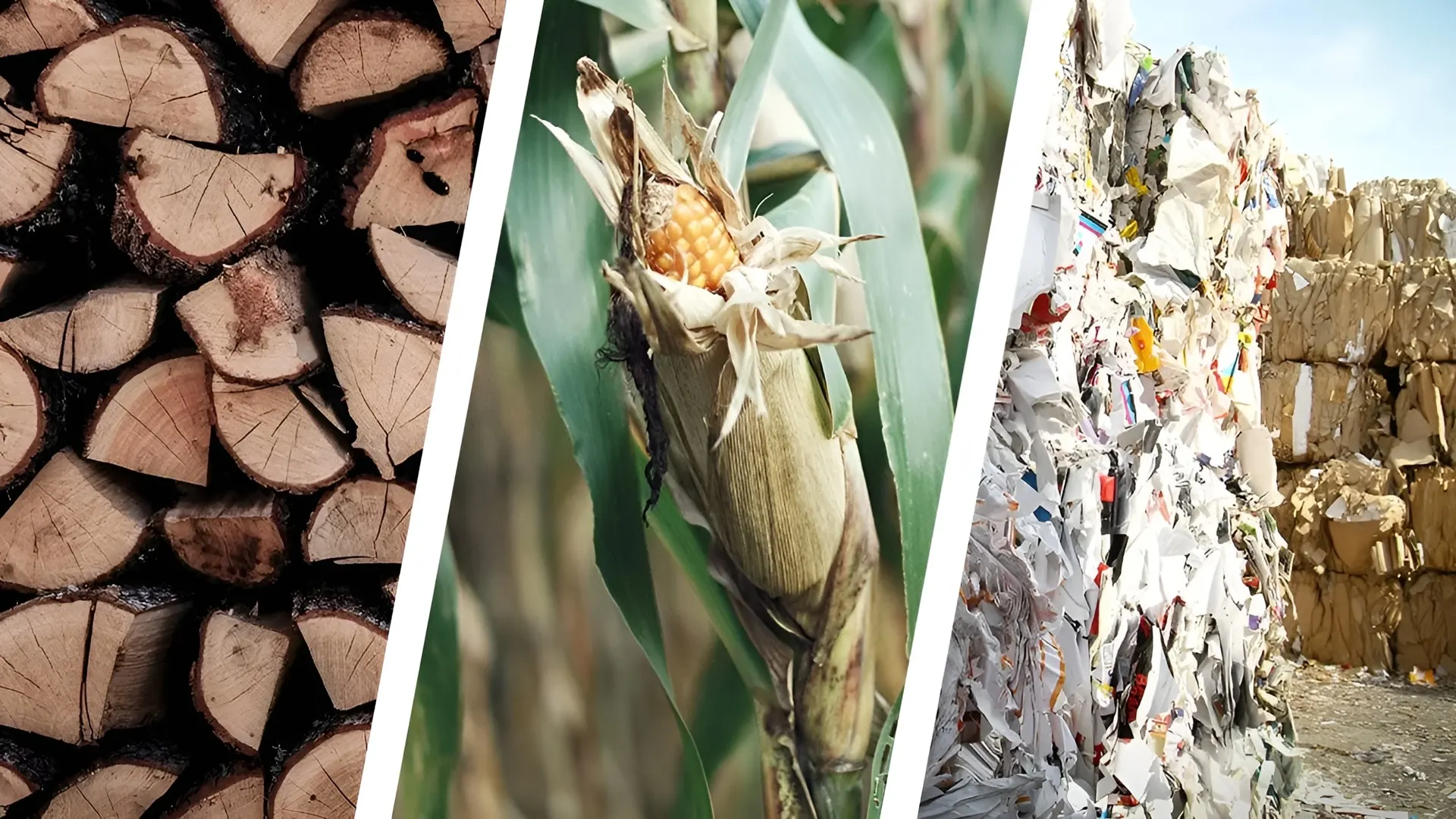
Biomass, an organic material derived from plants, crops, and agricultural or forestry residues, is rapidly becoming a central component of global renewable energy strategies. As industries and governments intensify their push toward carbon neutrality, biomass offers a dependable, scalable, and circular alternative to fossil fuels. It encompasses agricultural residues, forestry by-products, organic waste streams, and even animal-derived materials, all of which can be converted into heat, energy, or value-added bio-based products.
Globally, the biomass energy market is expanding at an accelerated pace, projected to exceed USD 100 billion by 2030. This global trend creates a particularly strong and urgent opportunity for countries like India. While India’s agricultural activity yields abundant biomass feedstock, the necessary infrastructure to convert it into standardized industrial fuel is still maturing, presenting a lucrative entry point for processors.
The resulting domestic opportunity is robust, driven by both scale and policy. The India Biomass Market, valued at approximately USD 2.5 Billion in 2024, is projected to reach USD 4.3 Billion by 2035, exhibiting a strong Compound Annual Growth Rate (CAGR) of over 5.2%. This growth is guaranteed by direct government mandates, most notably the Biomass Co-firing Policy. This policy mandates all thermal power plants across India to co-fire a minimum of 5% biomass pellets (by weight) with coal, creating an immediate, massive, and non-negotiable demand for processed biomass.
To meet this demand, recyclers and processors in India encounter a wide and often challenging range of raw biomass materials, each with unique mechanical characteristics. Some of the typical feedstocks include: Corn and grass silage, Coconut fiber and coconut husk, Rice paddy straw and maize straw, Organic and agricultural waste, Sugarcane trash, Vetiver roots, Grass clippings and straws, Sugar beets, Animal waste and related organic fractions, and more.
Why Shredding Is the Foundation of Biomass Fuel Production
Unlike municipal solid waste or tyres waste, biomass is mechanically unpredictable. Agricultural residues such as rice straw, coconut fronds, and sugarcane trash are stringy and fibrous; wood waste varies widely in density; and forest residues often contain soil, stones, and metal fragments. This heterogeneity directly affects downstream energy conversion processes, making size reduction the first and often most critical step in transforming biomass into an industrial-grade fuel.
Shredding enables recyclers to convert irregular, high-volume, low-density biomass into manageable fractions. These uniform particles improve bulk density, support stable combustion, reduce boiler fouling, and enhance feeding efficiency in gasifiers, briquette plants, and co-firing systems.
Therefore, without controlled robust shredding, biomass behaves inconsistently in industrial equipment, causing operational interruptions and higher maintenance costs.
A Market Opportunity for Recyclers in India
For Indian recyclers, the rising demand for processed biomass presents both a strong diversification opportunity and a high-growth business segment. Industries such as cement, textile manufacturing, district heating, and captive power units are actively seeking dependable biomass suppliers capable of providing consistent fuel specifications. This commercial necessity creates clear value for shredding because unprocessed agricultural waste often sells at minimal price points, but after shredding and homogenisation, it can be sold as a premium industrial fuel with significantly higher margins. Pre-processed biomass fetches a higher market value than raw biomass due to proven improvements in handling, combustion, and reliability.
This opportunity also solves a national problem: India’s agricultural landscape generates millions of tonnes of residues annually, much of which is either burned in fields or left underutilized. To address the resulting logistics challenge and stabilize the supply chain, recyclers can establish decentralized shredding and pre-processing hubs near agricultural clusters. This strategy not only reduces the cost of transporting low-density raw materials but also ensures a consistent supply of ready-to-use fuel for industrial users.
Looking Ahead: Biomass as a Strategic Sector for India’s Energy Future
With India targeting net-zero by 2070 and aggressively pursuing renewable fuel substitution, industries are actively seeking reliable biomass suppliers. Recyclers who develop technical proficiency in pre-processing will be first in line to serve this emerging demand.
Another important aspect is: As India’s bioenergy capacities expands, the role of biomass recycling will only grow more critical, offering recyclers a chance to become key players in the country’s renewable energy landscape.
Government Support and Financial Incentives
Indian recyclers benefit from significant government backing designed to bridge the supply-demand gap. The National Bioenergy Programme (NBEP) offers Central Financial Assistance (CFA) / subsidies for setting up new pellet/briquette manufacturing units. Furthermore, the business of converting agricultural waste into pellets/briquettes often qualifies for a 100% tax deduction on profits for the first five years under specific provisions of the Income Tax Act, making the financial returns highly attractive. By investing in advanced shredding technologies and building robust supply chains, Indian recyclers can unlock a high-growth market opportunity, contribute to a more sustainable energy future, and reap the economic benefits of being a leader in this emerging sector.
Gallery