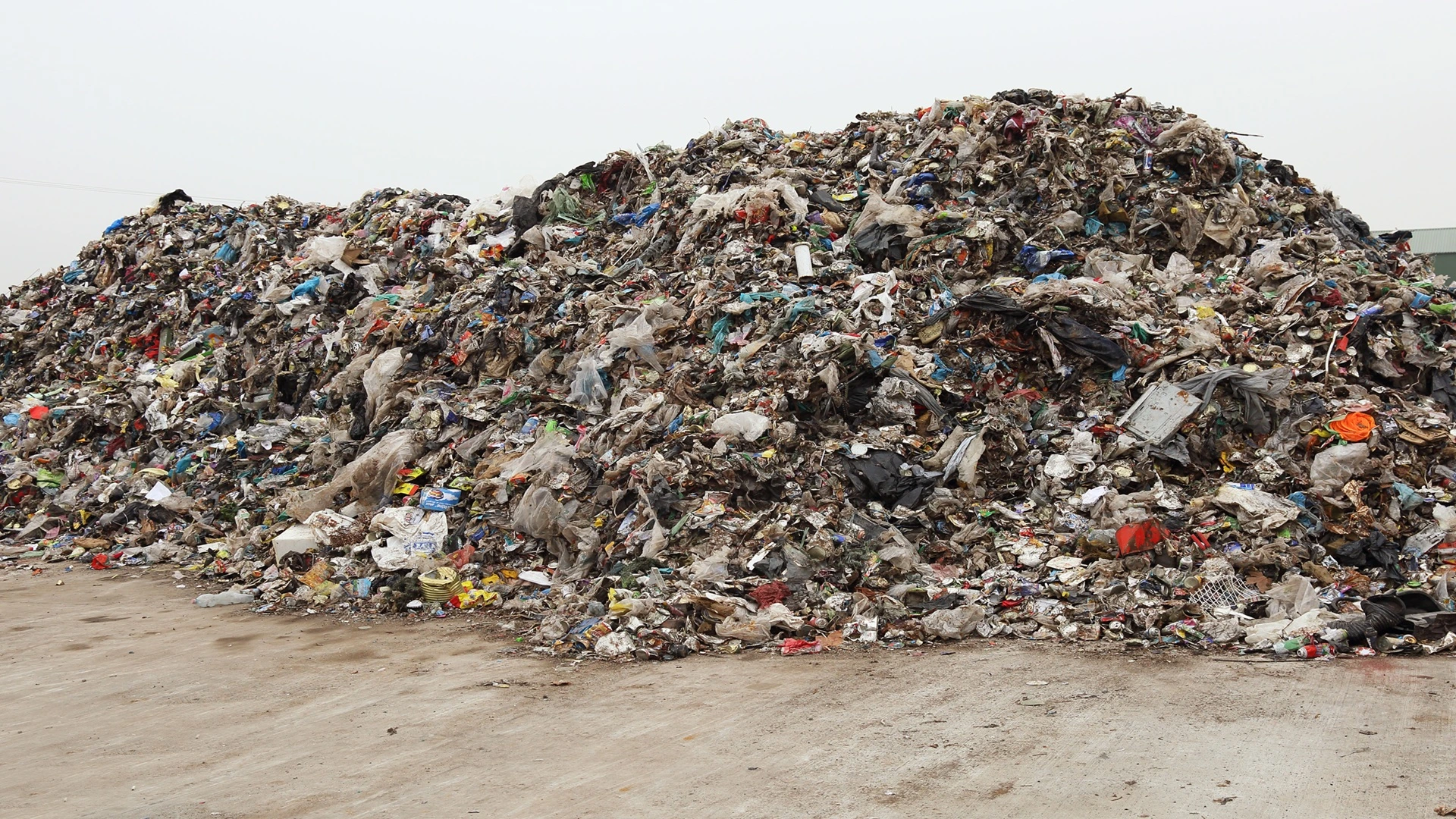
Urban India is grappling with an escalating waste crisis. More than 160,000 tonnes of municipal solid waste (MSW) are generated every day, yet less than half undergoes proper scientific treatment. The remainder continues to accumulate in over 3,000 open dumpsites across the country, creating severe environmental and operational challenges. In response, the cement industry and waste-to-energy (WtE) plants are increasingly viewing this waste stream as a viable alternative fuel source to meet their sustainability targets and avail carbon credit benefits.
In this evolving landscape, Refuse-Derived Fuel (RDF) and Solid Recovered Fuel (SRF) have become two main alternate fuel categories derived from MSW. While both originate from the same raw material, they differ significantly in terms of how they are recovered.
For decision-makers including Indian cement plant operators, sustainability leaders, and waste management authorities, understanding these distinctions is essential for selecting the appropriate fuel type and aligning it with their kiln requirements, co-processing capabilities, and targeted thermal substitution rates (TSR).
Let’s break down what RDF and SRF really are and how they differ:
Refuse-Derived Fuel (RDF) is a processed mixed-waste fuel generated primarily from municipal solid waste (MSW), household waste, commercial waste, and legacy dumpsite waste. RDF consists of high moisture content and non-uniform material characteristics, as it is recovered from largely unsegregated mixed waste.
Solid Recovered Fuel (SRF), on the other hand, is a premium-grade, engineered alternative fuel derived from pre-sorted industrial and commercial waste streams that are dry, consistent, and non-hazardous. It is manufactured under strict quality protocols aligned with international specifications such as CEN/TS 15359. Its feedstock typically includes high-calorific materials like plastic packaging (PP, PE, PET, LDPE, HDPE), clean plastics from manufacturing, paper and cardboard residues, textile offcuts, wood waste, and other non-recyclable but clean industrial by-products generated during manufacturing processes by industrial and commercial waste.
Technical Differences Between RDF and SRF
Parameter | RDF | SRF |
Quality Consistency | Low | High |
Calorific Value | Lower and highly variable (Fluctuations impact boiler stability). | Higher and highly consistent (Tailored to meet specific thermal output needs). |
Moisture & Inerts (Ash) | Higher levels of moisture and non-combustible ash content. | Significantly lower and controlled levels. Leads to less waste product after burning. |
Contaminants | More likely | Significantly reduced |
Particle Size | Irregular | Uniform |
End Users | Cement & Waste to Energy plants | Cement, advanced Waste to Energy plant and gasification facilities that required uniform fuel. |
Calorific Value | ~ 8–12 MJ/kg | ~ 15–25 MJ/kg |
Standard | No strict standard | EN. 15359 EU standard |
Price | Lower | Higher |
As India accelerates towards its 2070 net zero ambitions, RDF and SRF emerge as pivotal pillars powering the nation’s sustainable energy transition, fuelling a greener tomorrow for cement and waste-to-energy sectors.
Gallery