End-of-life tyres present one of the most complex waste streams in the recycling industry. Unlike single-material wastes, tyres are engineered to be durable, combining rubber, steel, textiles, and chemical additives into a highly resilient structure. This very durability makes them difficult to recycle, as they must first be dismantled into manageable, contaminant-free fractions before they can be converted into new products or fuels. Proper preparation not only protects recycling machinery from premature wear but also ensures that the recovered rubber, steel, and fibers meet the quality standards required by different industries.
Why Can’t Scrap Tyres Be Recycled Directly Without Preparation?
Recycling Tyres without preparation is impossible due to several significant challenges, like:
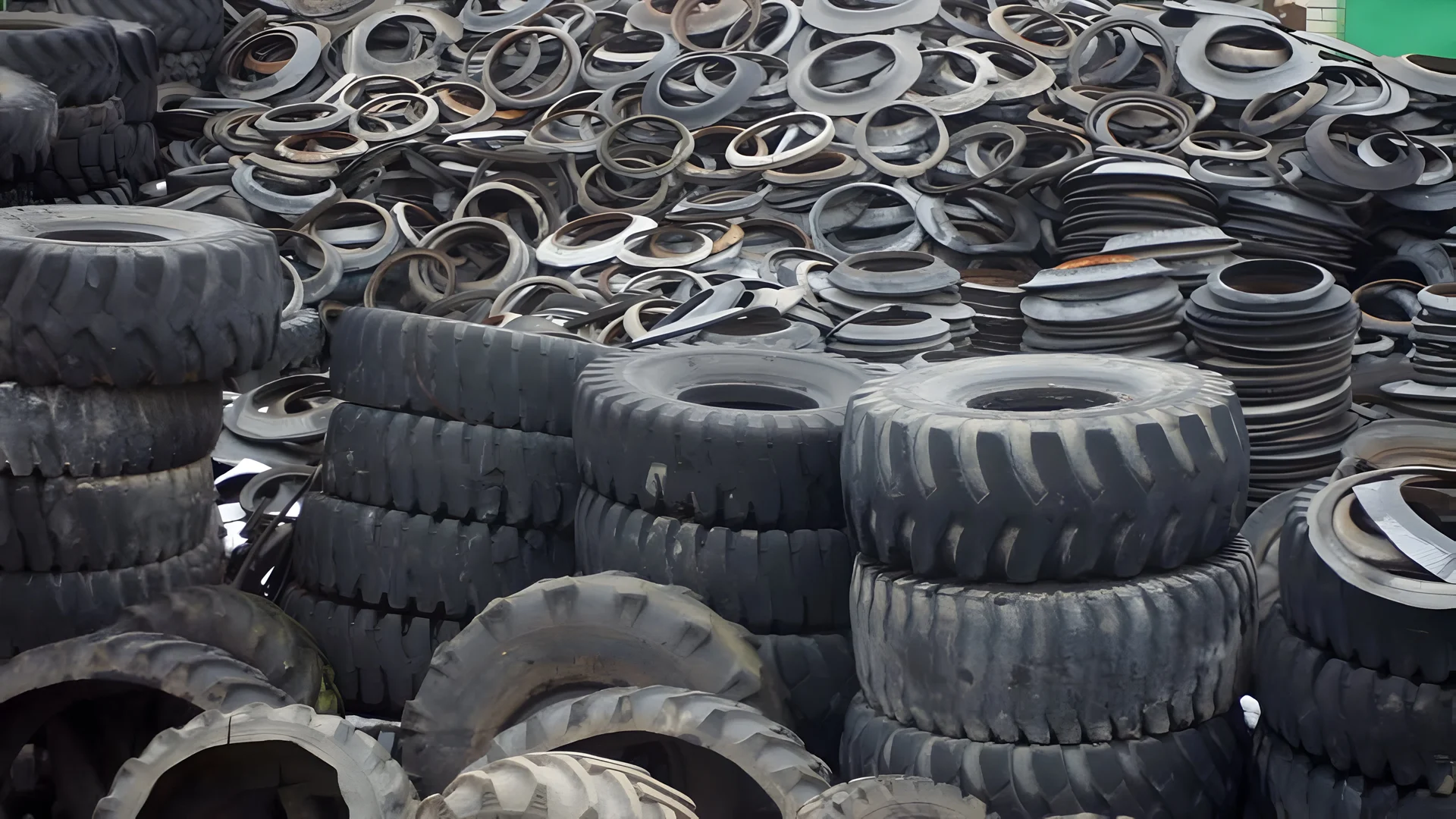
Size and shape: Whole Tyres are bulky and irregular, making them difficult to handle, transport, and feed into recycling equipment.
Embedded steel: Tyres contain strong steel bead wires and steel belts, which would severely damage shredders and other machinery if not removed.
Contamination: Tyres often arrive with dirt, rocks, and other non-Tyre waste attached, which must be cleaned to ensure a high-quality end product.
Fire risk: Large stockpiles of un-shredded Tyres pose a serious fire hazard. Tyre fires are notoriously difficult to extinguish and release toxic fumes and oil.
Storage challenges: Whole Tyres take up a lot of space, creating logistical and environmental issues.
What Happens to Tyres Right After Collection?
After collection, Tyres undergo a series of initial preparation steps, such as:
Sorting: Tyres are sorted by type (e.g., passenger car, truck, Off-the-Road or OTR Tyres) because different types have varying compositions and require different processing methods.
Cleaning: Collected waste Tyres typically contain soil, stones, glass pieces, and other foreign contaminants. Before size reduction, these impurities are removed through mechanical pre-cleaning systems such as vibratory screens, air classifiers, or washing units. Effective cleaning is essential to protect high-precision shredders and granulators from premature wear, minimize fire hazards from embedded debris, and ensure that the resulting rubber fractions meet quality standards for downstream applications.
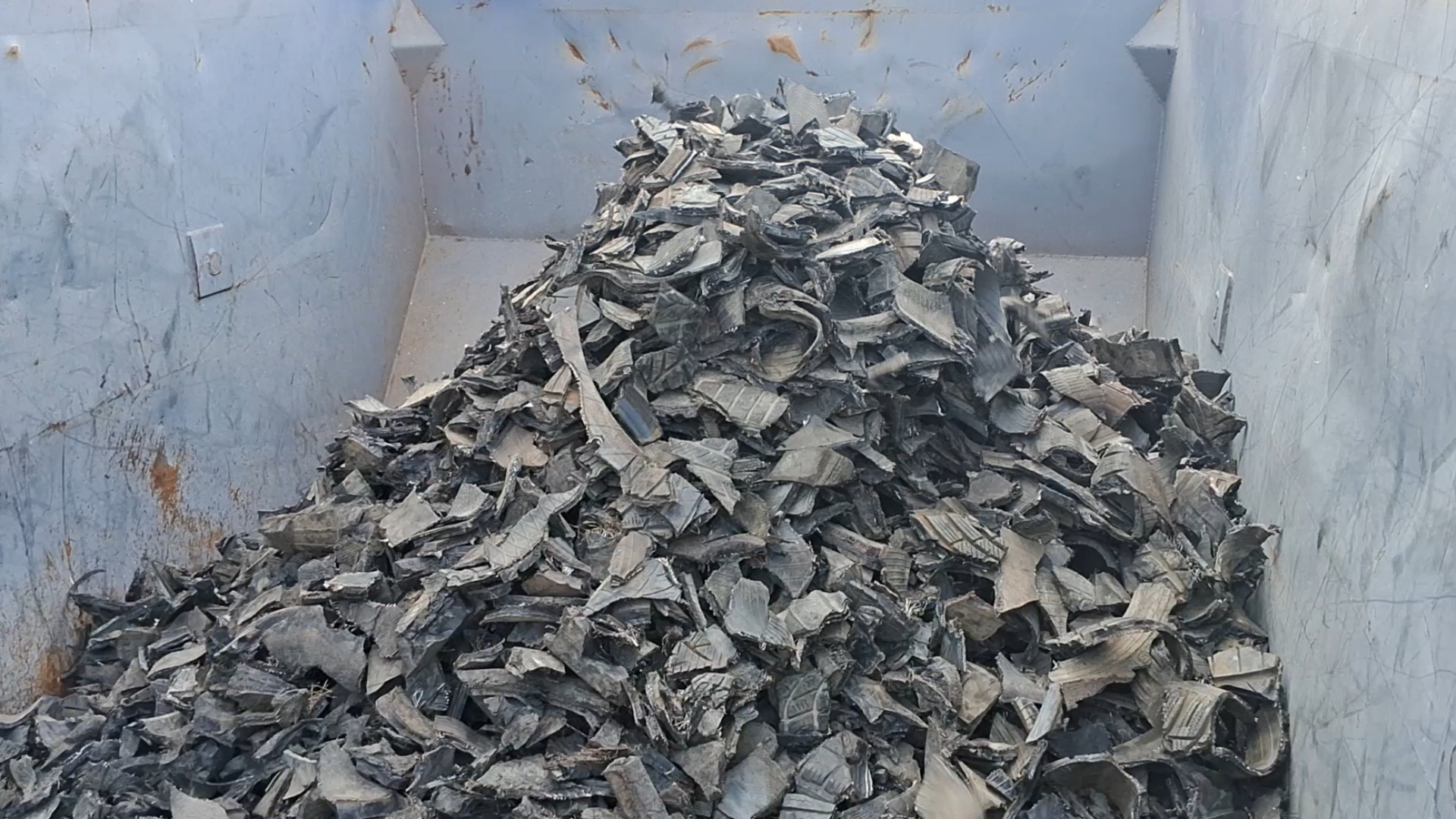
Size reduction: Whole tyres are bulky, difficult to store, and unsafe to process directly. To make them manageable, they are fed into primary shredders that reduce them into rough shreds or chips. This size reduction not only facilitates easier handling and transportation but also prepares the material for further refinement through secondary shredding and granulation, where uniform particle sizes are achieved. By breaking tyres down at this early stage, recyclers ensure smoother downstream processing and higher-quality outputs.
Metal Separation (Optional at Early Stage): In some facilities, powerful magnets are used right after primary shredding to begin extracting steel wires from the Tyre shreds. Early removal of metals reduces wear on downstream equipment and improves the quality of rubber fractions for further processing.
Storage and Buffering: The shredded material is often stored in intermediate stockpiles or silos before moving to secondary shredding or granulation. This step allows recyclers to balance processing loads, maintain continuous operations, and ensure that material flows steadily through the recycling line without bottlenecks.
How is Tyre Preparation Different for Various Industries?
The specific preparation of Tyres depends on the final application, as each industry has unique needs.
Cement Kilns (TDF): For use as a Tyre-Derived Fuel (TDF), Tyres are typically shredded into coarse chips (10−50 mm). This size is ideal for co-combustion in cement kilns, where the steel content is beneficial as a raw material. The primary goal is to produce a consistent size and remove major contaminants.
Rubber Products (Crumb Rubber): To produce crumb rubber for applications like playground surfaces, athletic tracks, or rubberized asphalt, the Tyres must be granulated into a much finer, uniform size, often down to a powder. This process requires more intensive shredding and granulation to free the rubber from its steel and fiber components. The final product must be as pure as possible to ensure quality and performance.
Pyrolysis: For pyrolysis, which is the thermal decomposition of Tyres in an oxygen-free environment, Tyres are generally shredded into smaller, uniform pieces. The finer the material, the more efficient the pyrolysis process. The output is valuable products like pyrolysis oil, steel, and recovered carbon black (RCB), which can be reused in new products.
What Are the Global Best Practices in Tyre Preparation Before Recycling?
European Union (EU)
EU best practices focus on a strong Extended Producer Responsibility (EPR) model, where tire manufacturers are responsible for the entire life cycle of their products. Technical preparation involves intensive sorting and granulation to produce high-purity crumb rubber. This is supported by the push for harmonized End-of-Waste (EoW) criteria, which aims to reclassify processed tire waste as a raw material rather than a waste product, thereby reducing administrative barriers and fostering a single market for recycled rubber.
Australia:
Australia’s system is based on the voluntary but industry-backed Tyre Product Stewardship Scheme, managed by Tyre Stewardship Australia (TSA). Best practices emphasize a secure supply chain from collection to processing, with an emphasis on accreditation for collectors and recyclers to prevent illegal dumping and stockpiling. This ensures a transparent and auditable process, leading to the production of high-quality, traceable materials suitable for high-value applications in civil engineering, road construction, and rubber products.
United States (US)
In the US, tire recycling is primarily regulated at the state level, leading to a mix of approaches. Best practices, often promoted by organizations like the U.S. Tire Manufacturers Association (USTMA), focus on diversifying end-use markets through a combination of shredding for TDF and more advanced granulation for crumb rubber. A key technical practice is the use of manifest systems and licensing to track the movement of scrap tires, reducing illegal dumping and ensuring materials are sent to legitimate processing facilities that comply with environmental regulations.
United Kingdom (UK)
The UK’s approach is spearheaded by the Tyre Recovery Association (TRA) and its Responsible Recycler Scheme. This technical framework ensures that all collected tires are processed in an environmentally sound manner through an independently audited and legally compliant supply chain. A key best practice is adherence to the PAS 108 standard, which specifies requirements for producing tire bales for civil engineering applications, and the PAS 107 Quality Protocol, which grants end-of-waste status to crumb rubber, enabling it to be traded as a raw material.
Gallery