The tyre recycling business in Saudi Arabia, although still in its nascent stages, is steadily expanding, fuelled by the country’s broad sustainability objectives and growth in the automotive and industrial sectors. According to a report by Grand View Research, the Saudi tyre recycling market generated over USD 58.0 million in revenue in 2024 and is projected to reach USD 64.7 million by 2030, growing at a compound annual growth rate (CAGR) of 2% over the forecast period.
At the GCC level, the tyre recycling market is estimated to be worth USD 6.07 billion in 2023, rising to USD 10.41 billion by 2031 at a CAGR of 6.98%. Although Saudi Arabia accounts for only a small share of the regional total, its growing consumption of tyres and booming cement manufacturing sector suggest significant untapped growth potential.
Drivers of Growth and Government Support
The rapid growth in automotive sales, with over 700,000 vehicles sold per year, and the massive construction and cement activity in Saudi Arabia, provide a strong foundation for the tyre recycling industry. The country’s Vision 2030 initiative, launched in 2016, and the National Transformation Program, aim to diversify the economy and promote sustainability, including circular economy and waste-to-resource initiatives.
The Saudi Green Initiative, launched in 2021, and the country’s climate strategy, increasingly emphasize resource recovery and reducing landfill disposal. The Saudi Industrial Development Fund (SIDF) provides mid- and long-term loans for private industrial projects, including those in the waste and recycling sectors. Entities like the Saudi Investment Recycling Company (SIRC) have public mandates to reduce landfill waste like tyres, and aim for zero municipal waste by 2035.
Market Segmentation and Emerging Trends
According to Grand View Research, the rubber segment, including crumb rubber, was the largest revenue-generating product in Saudi Arabia’s tyre recycling market in 2024. Carbon black is expected to be the fastest-growing segment by 2030, driven by increasing demand from the manufacturing sector. Tyre-derived fuel (TDF) is a smaller segment, but it is expected to grow at a CAGR of approximately 6.8% to USD 11.7 million by 2030.
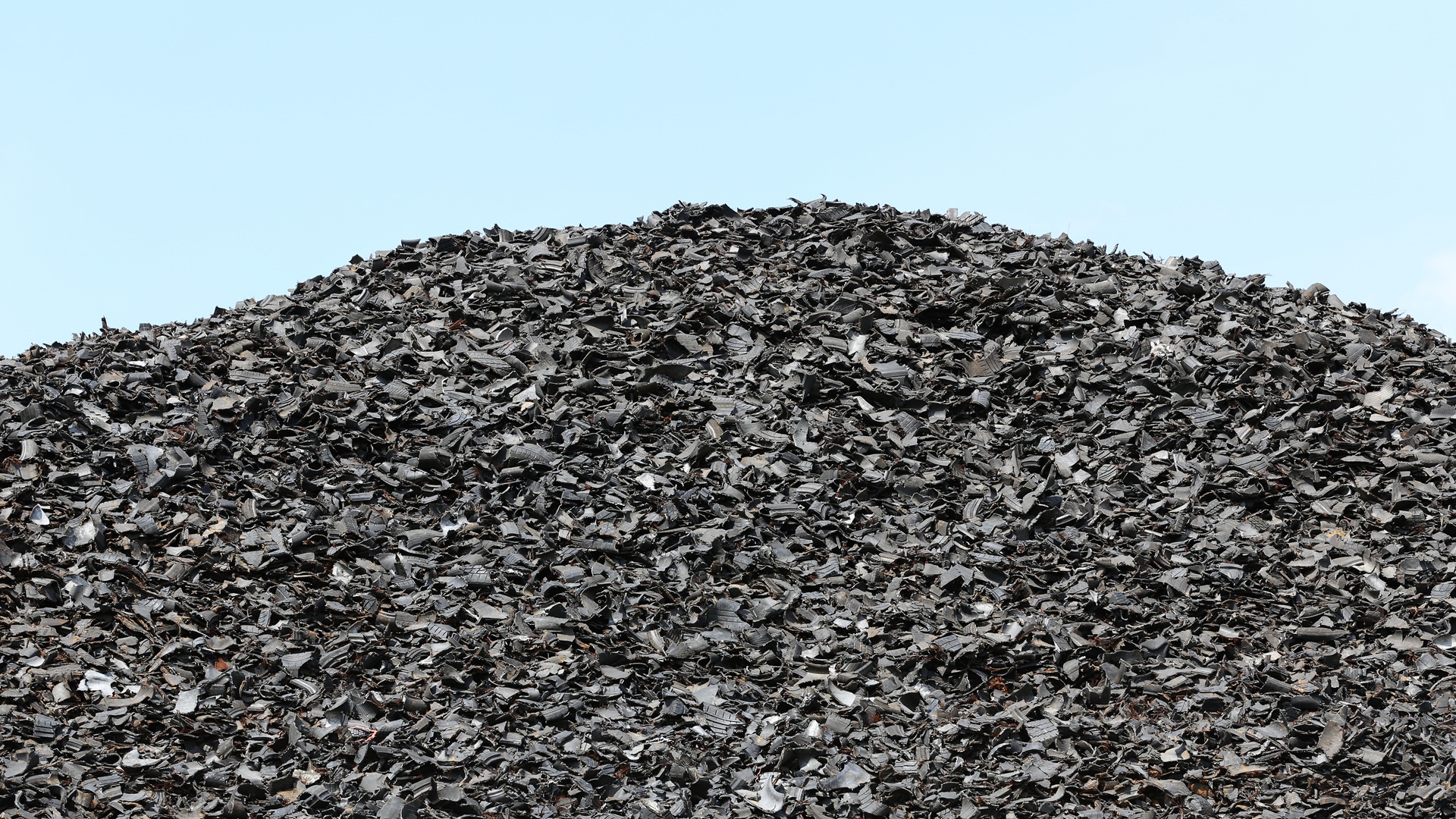
Applications for recycled tyres include cement kilns and industrial boilers, which use shredded tyres as fuel, construction and civil engineering, which use tyre-derived aggregate for landscaping and fill, and the rubber and plastics industries, which use crumb rubber for playgrounds and sports surfaces. Carbon black recovery is another significant application, where recycled carbon black can be reintegrated into manufacturing processes.
Starting a Tyre Recycling Business in Saudi Arabia
To commence a tyre recycling business in Saudi Arabia, entrepreneurs should begin by conducting a thorough market research and feasibility studies to identify potential offtake partners and audit regional tyre volumes. This includes analysing the number of vehicles on the road, tyre sales, and waste tyre generation rates. Understanding the market dynamics and potential demand for recycled tyre products is crucial for developing a successful business strategy.
If you’re considering regional investments, partnerships, or facility setups, the Eastern Province—particularly the Dammam–Khobar area is most likely hotspot for established tyre recycling infrastructure in Saudi Arabia.
Registering with the relevant authorities, such as the Saudi Ministry of Environment, Water & Agriculture (MEWA) or the Ministry of Investment (MISA) for foreign investment licenses, and the Ministry of Industry and Mineral Resources for industrial licenses is crucial for ensuring compliance with waste handling, emission standards, and occupational safety.
If tyre recycling facilities in Saudi Arabia fail to follow the necessary regulatory framework, they can face severe consequences, including fines, penalties, or even business closure.
Securing a processing facility located near major tyre waste sources and potential users, such as cement factories, asphalt manufacturers, or industries that can utilize rubber granules, pyrolysis oil, or carbon black, is also essential for optimizing logistics and reducing transportation costs. A strategically located facility can help minimize costs and ensure a steady supply of raw materials.
Investing in best-in-class equipment from leading companies like Fornnax Technology, such as primary and secondary shredders, magnetic separators, granulators, and more, is necessary for processing and recycling tyres.
The right equipment can help ensure efficient and high-quality processing of tyres, resulting in valuable products that can be sold to various industries.
Note: Entrepreneurs can also approach the SIDF (Saudi Industrial Development Fund) for mid- and long-term loan support to help finance these investments.
Implementing best practices in environmental controls (dust, emissions), safety, and traceability is crucial for success.
Certifying products, e.g. crumb rubber to ISO standards, and TDF compliance with emission norms can help gain trust and a competitive edge.
Additionally, tyre recyclers can also align with ESG frameworks and Saudi’s sustainability reporting requirements. Measuring carbon reductions or circular economy impact helps attract green financing or public sector support. By adopting best practices and aligning with sustainability frameworks, tyre recyclers can not only ensure compliance with regulations but also contribute to a more sustainable future.
Business Potential and Opportunities
The tyre recycling market in Saudi Arabia presents significant opportunities for growth, driven by the country’s expanding automotive fleet and booming infrastructure sector. Even a modest expansion to USD 100-150 million in revenue within the next 5-7 years could be realistic, especially if TDF and crumb rubber adoption accelerates. At the GCC level, a CAGR of nearly 7% implies strong spillover potential as Saudi consumers and regulators align with regional peers.
Businesses that can build efficient logistics, processing plants, and partnerships with cement companies or infrastructure projects could establish a first-mover advantage.
Gallery